
via Instagram https://www.instagram.com/p/BlXYAeqHmgp/


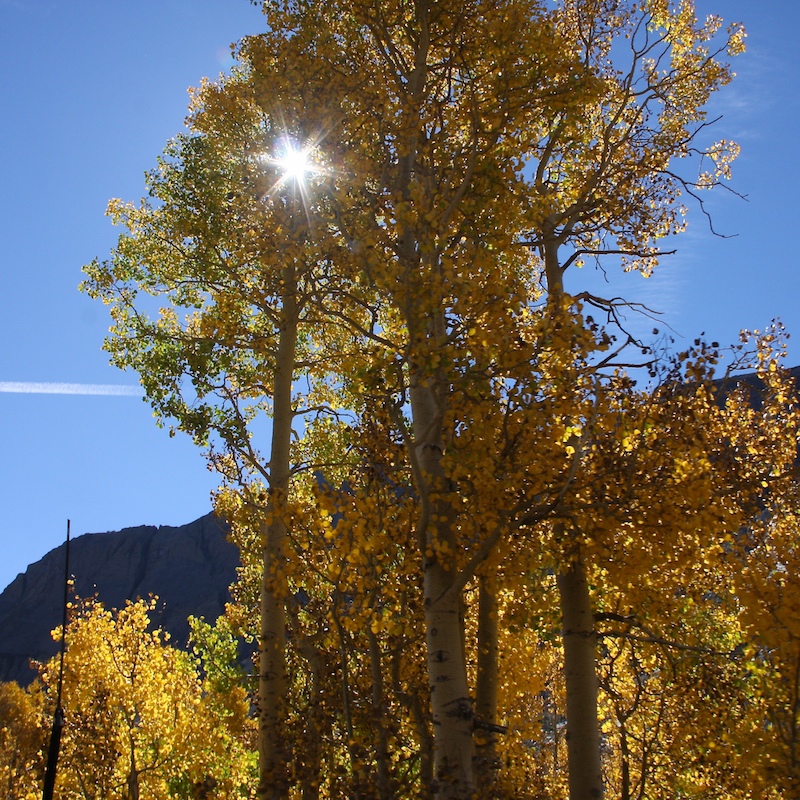 Jimmy and I hit the fall color motherlode this weekend.
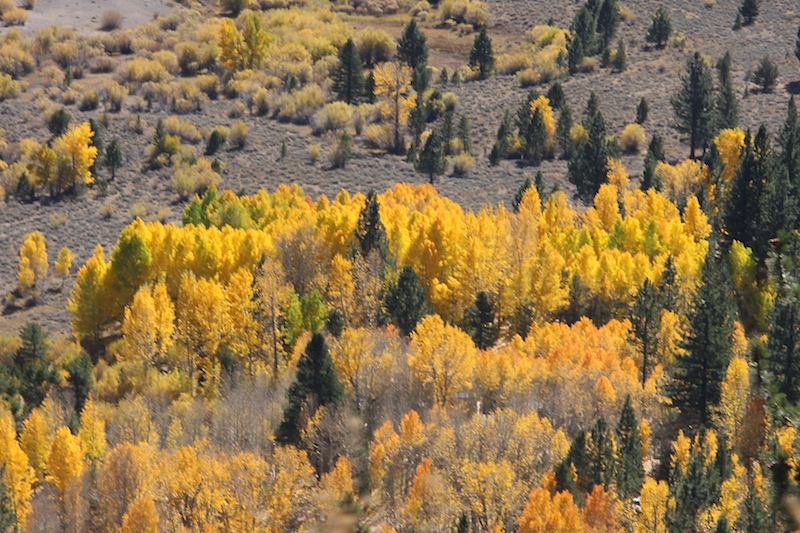 Sonora Pass had some of the best we've ever seen...
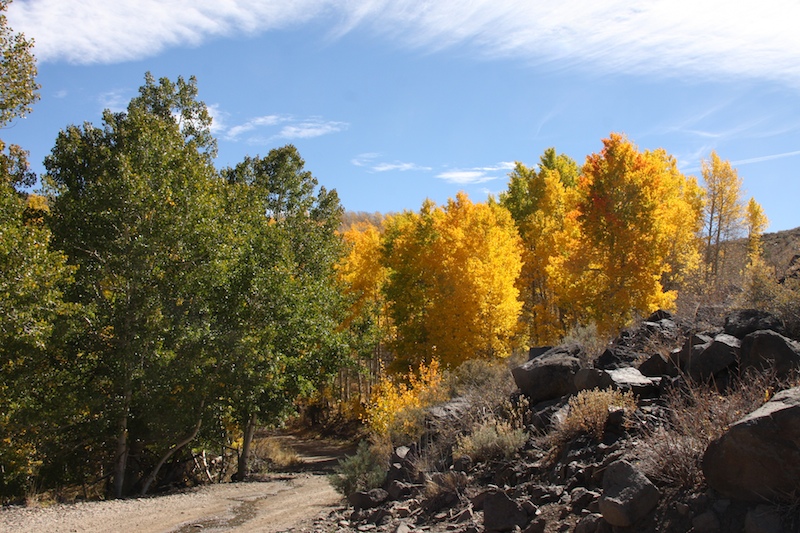 Till we got to the Sweetwater Mountains in the Eastern California desert.
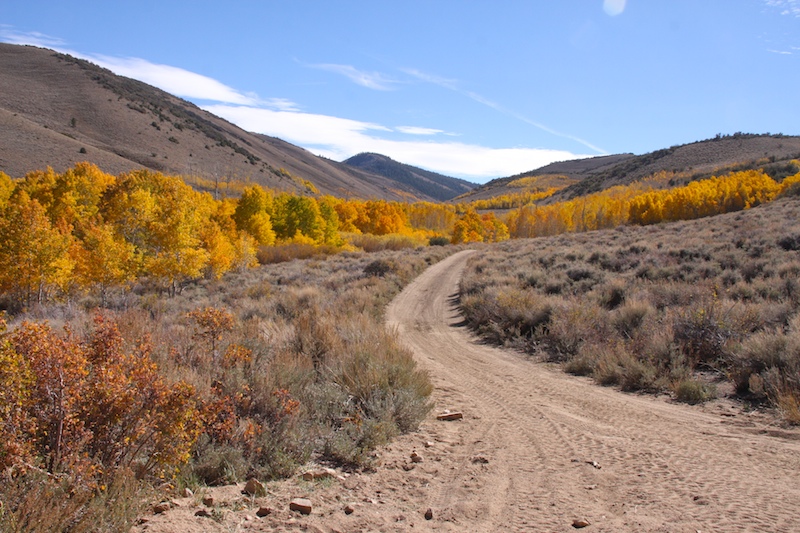 The aspens grow along a river. You can follow the River of Gold all the way up the mountain.
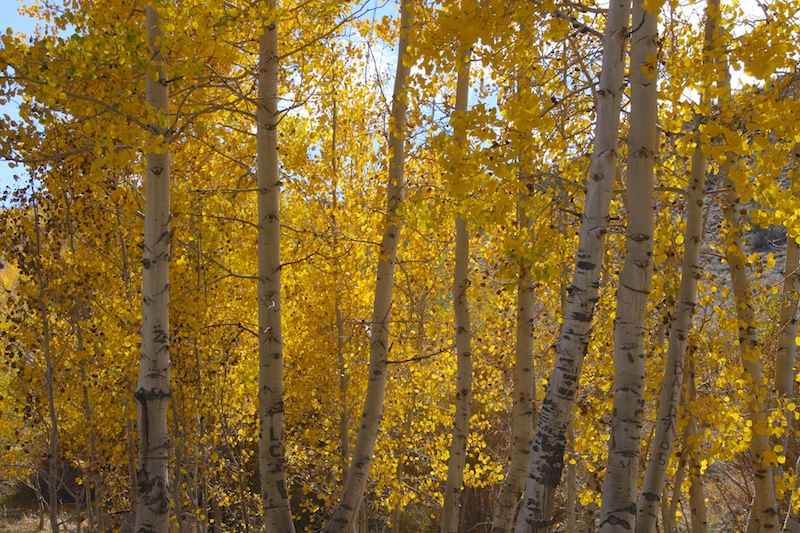 We rode through several groves, leaves rustling and quaking in the breeze, leaves raining down on our heads.
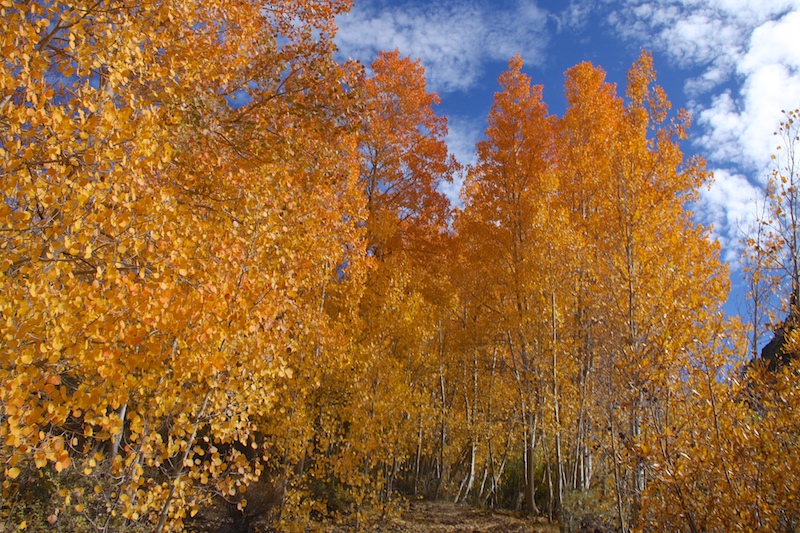 Since we haven't experienced a New England fall, we can't compare our amazing fall color to theirs, but ours is pretty damn good, too!!
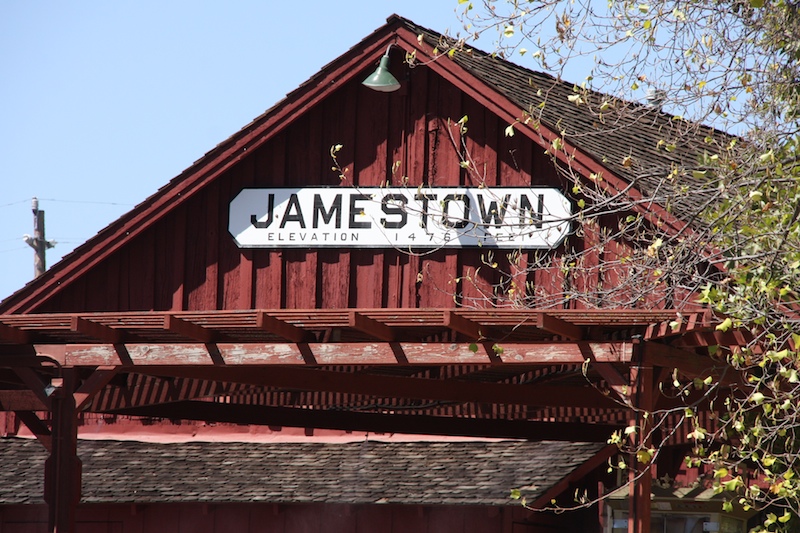 They wanted to do some gold mining. So we went down Jamestown, a historic goldmining town about 30 minutes from our hideaway.
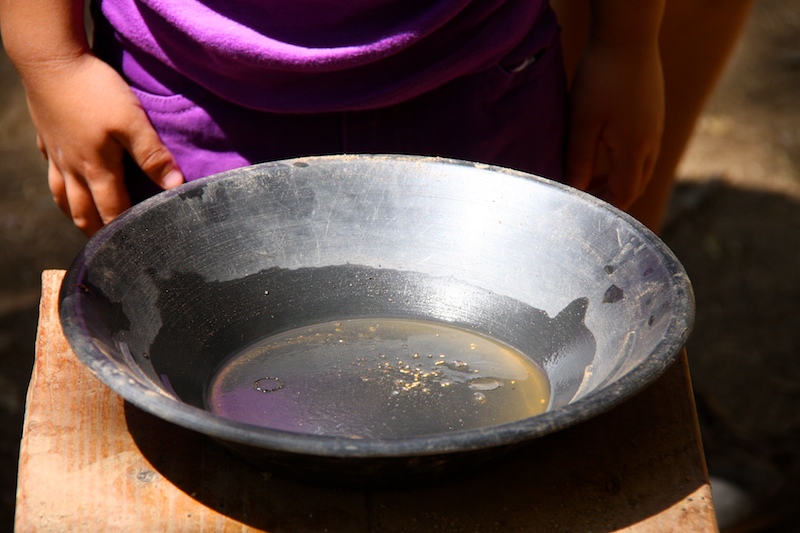 While they didn't exactly strike it rich, they found a few pieces that'll serve as very nice momentos of their hard labor.
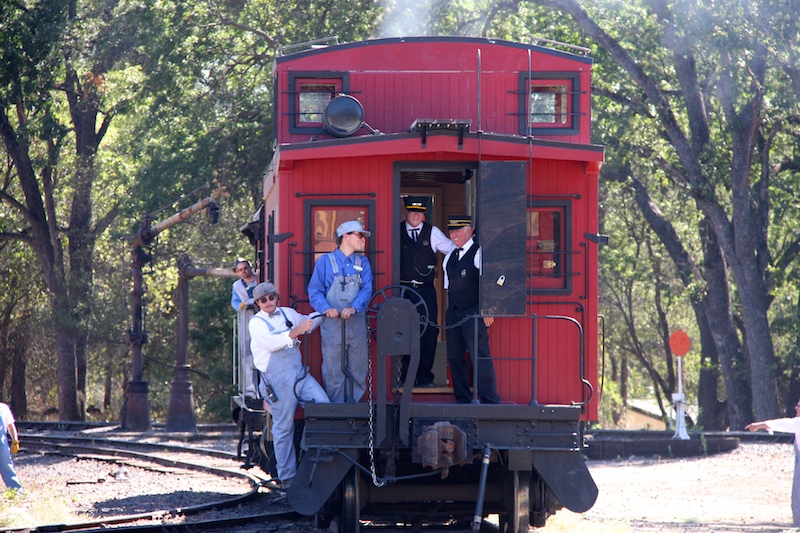 After they were done digging for gold, we took a steam train ride through the sierra foothills.
 Of course a summertime evening at our hideaway means smores.
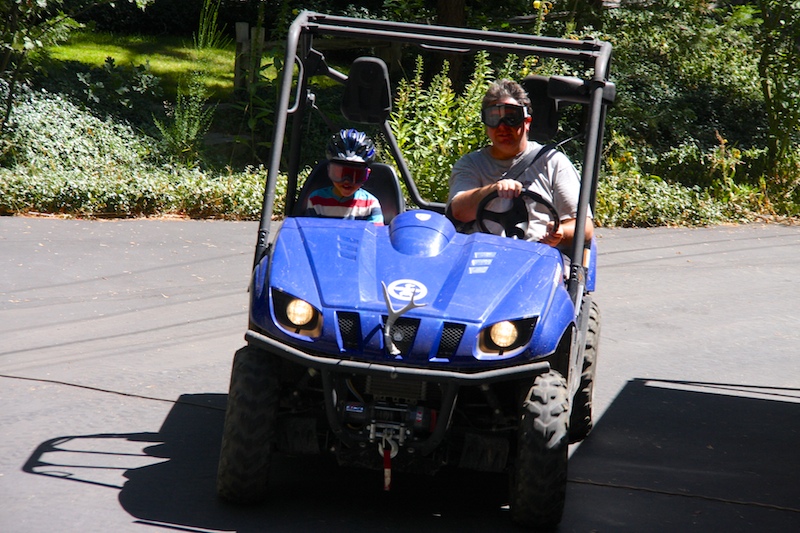 Even though we didn't have the time to do a full off-road experience on the atv, the kids enjoyed riding around the block a time or two.
 We wouldn't be able to explore the back country like we do if we didn't have this fun, hardy, tough little vehicle.
 You may recall that Jimmy and I did an amazing off-roading trip in the Eastern Californian Desert. I blogged about the more famously known Bodie State Park and Ghost Town.
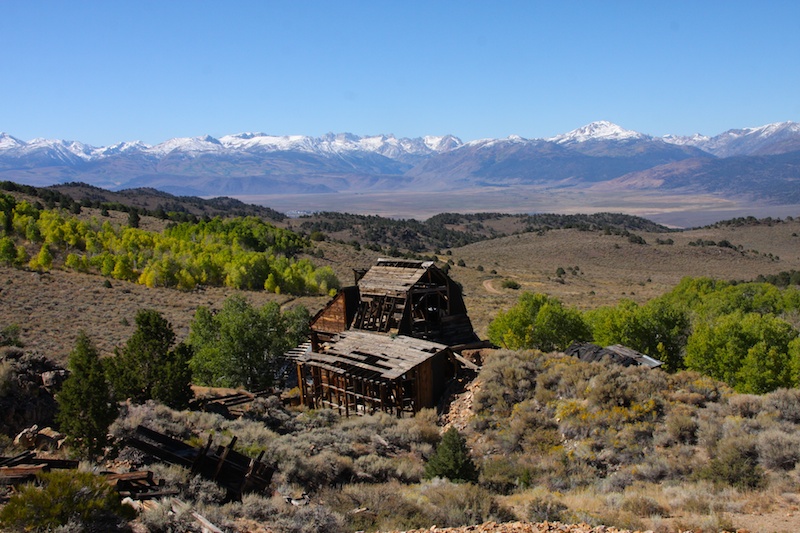
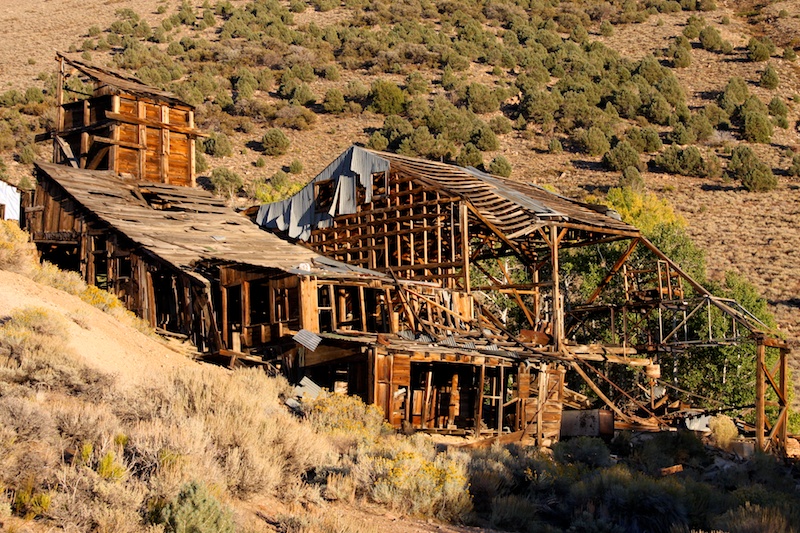
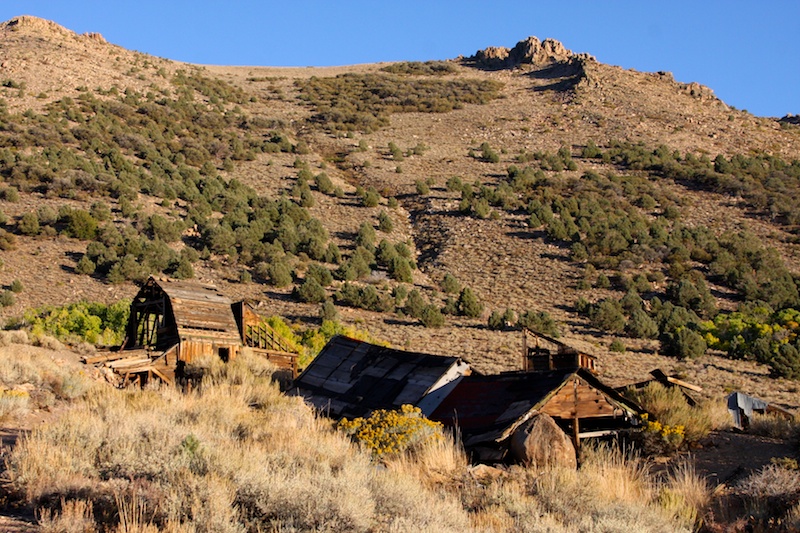
 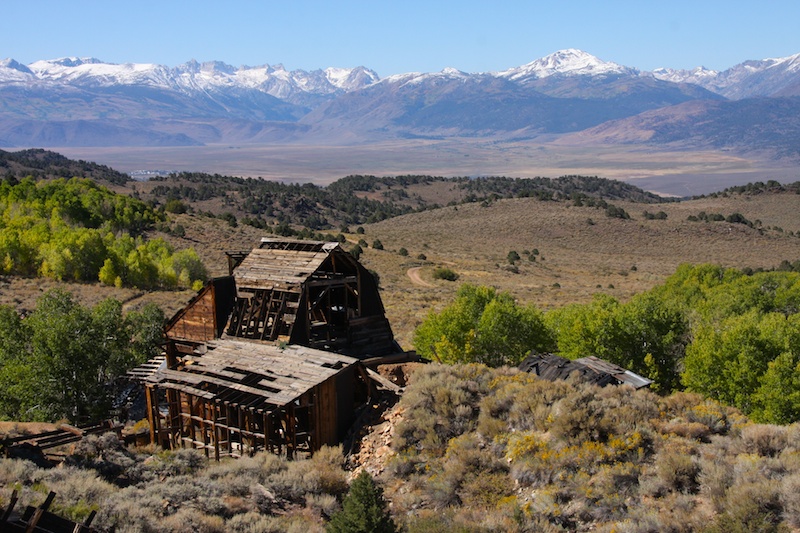 But the Chemung Mine was my favorite spot of the day. There was something magical about this spot.
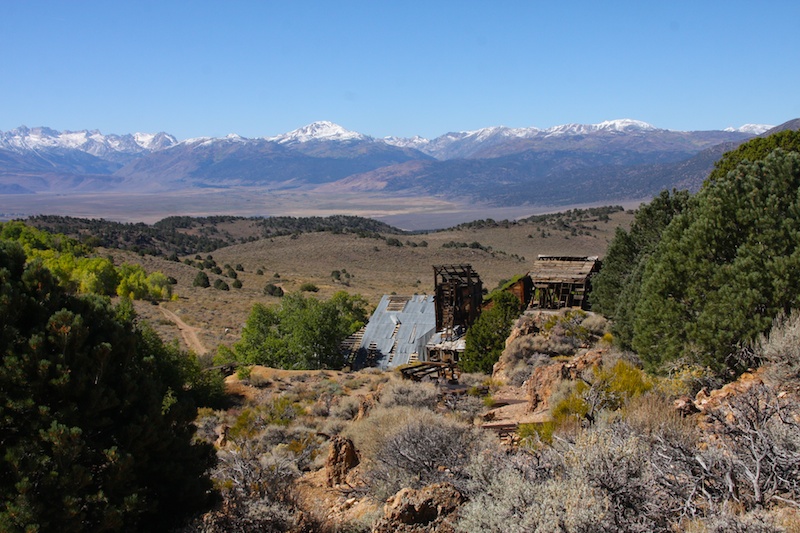 It might be because of the magnificent, freshly snow capped Sierra Nevada mountain range in the background.
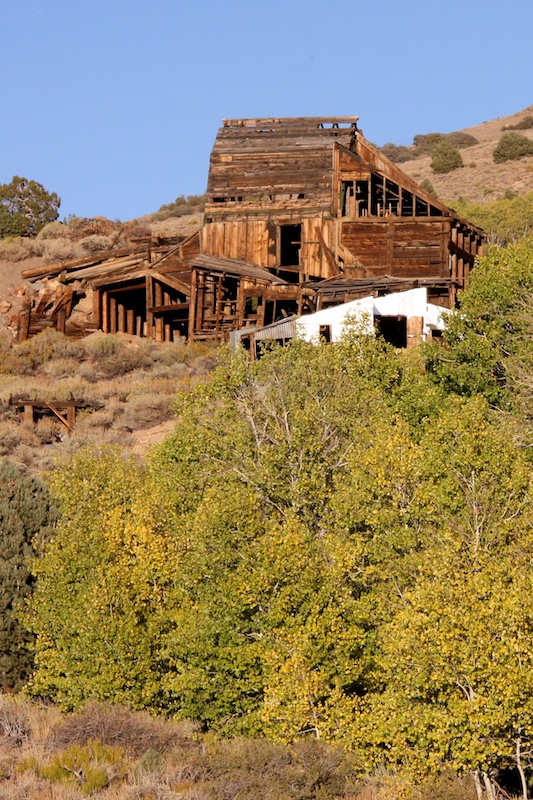
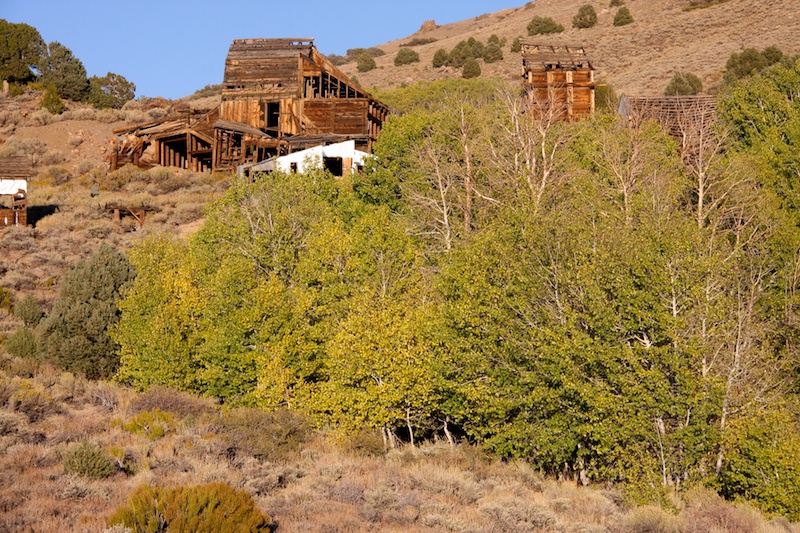
 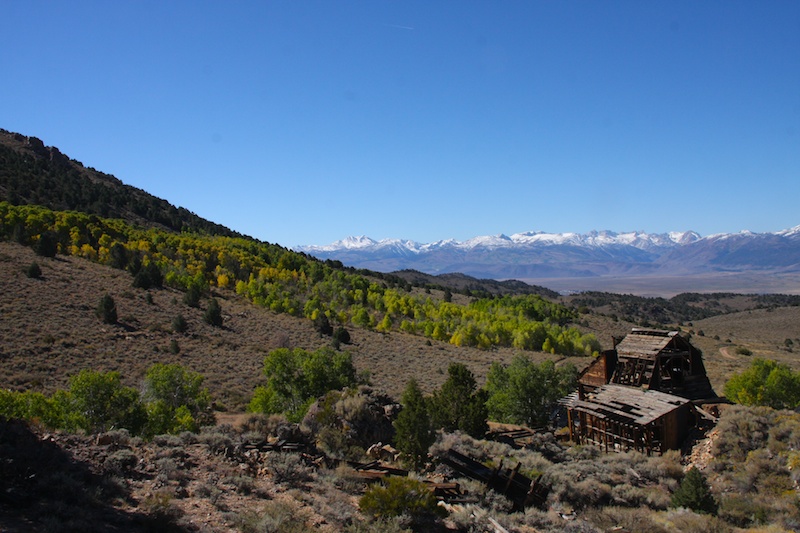 Or maybe it's because the mine was up against the hillside next to a beautiful aspen grove. And aspens are my favorite tree.
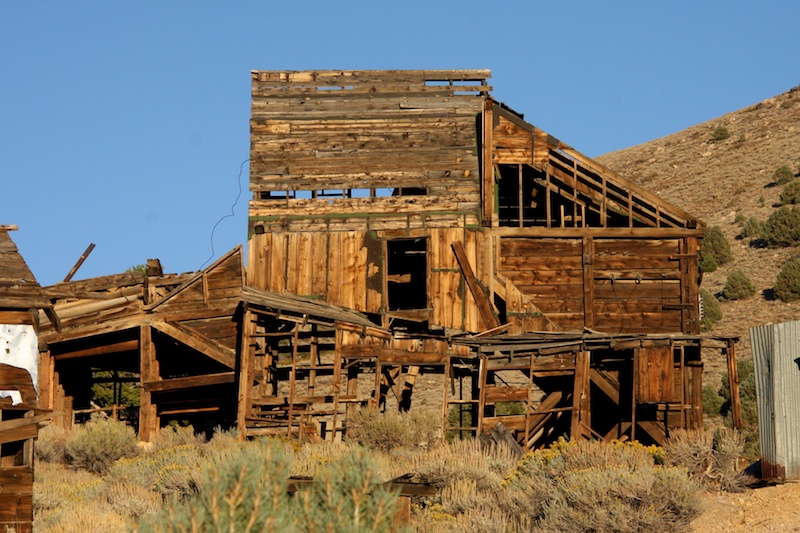
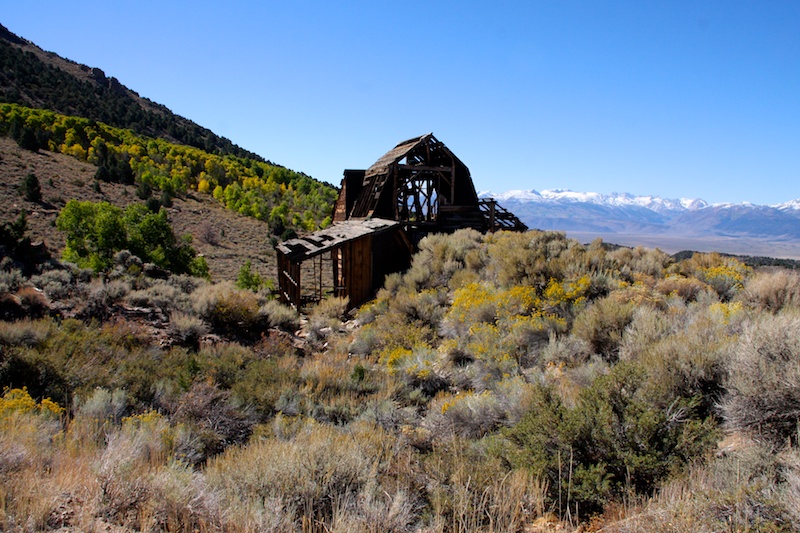 More likely it was a combination of both in addition to the amazing buildings that was deteriorating, instead of the ones at Bodie that were maintained in 'arrested decay'.
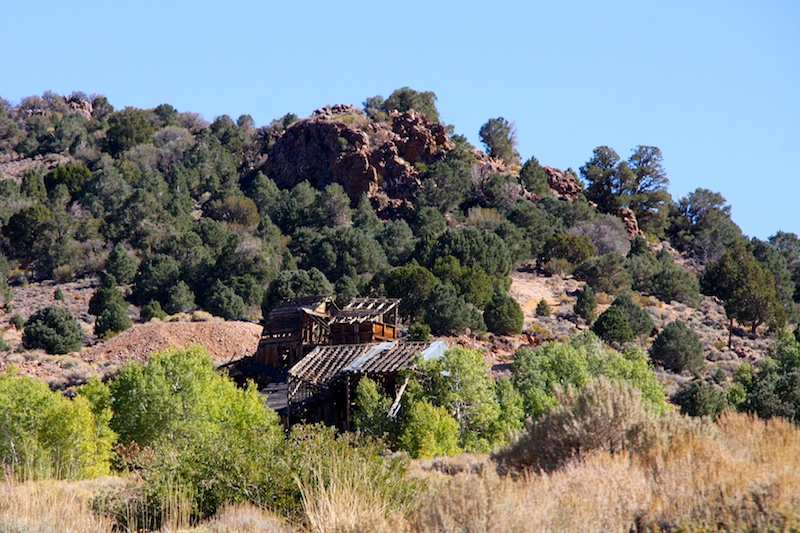 I wasn't able to find out much about the mine. But according to a bit of googling, it was built in the early 1900's and was active till 1938. Then again in the 1950s and 1960s, a sole prospector worked the mine, supporting himself, but never striking it rich.
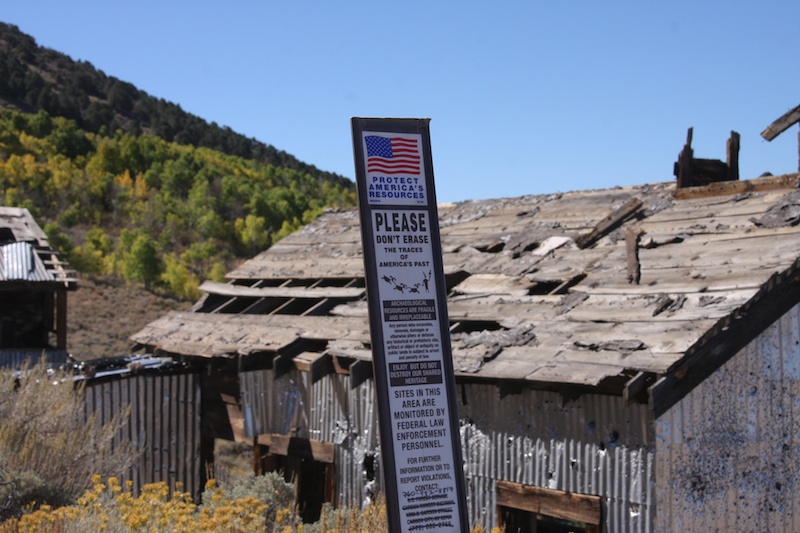 Now, if you can get to it, you can explore the mine freely. Just be kind to the surroundings so others can appreciate it, too. It's really a remarkable spot in California's mining history.
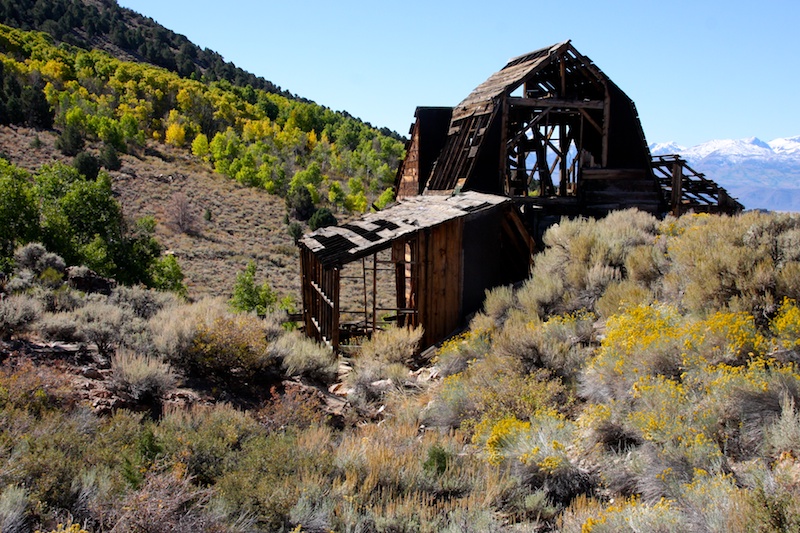 This main building seemed to take center stage.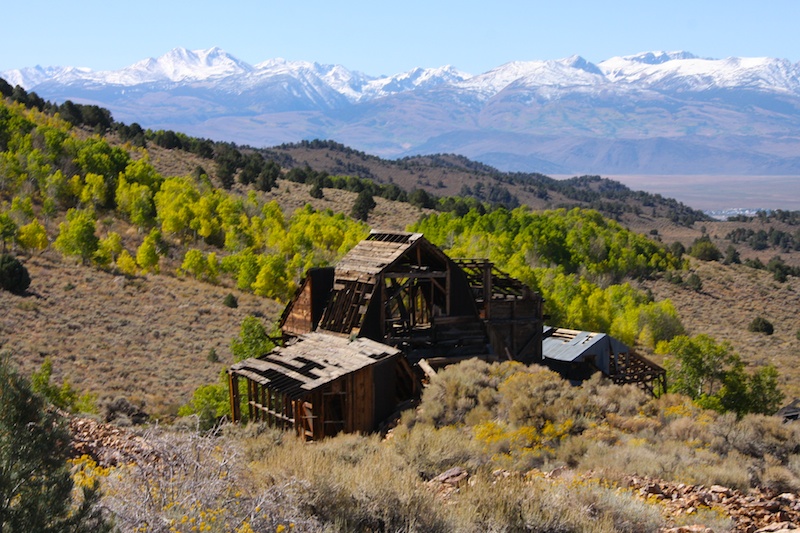
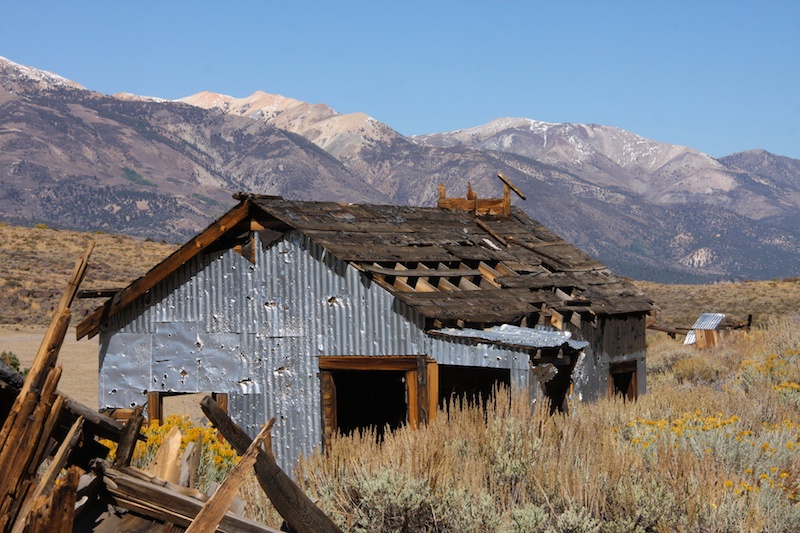 But the other smaller buildings were just as amazing.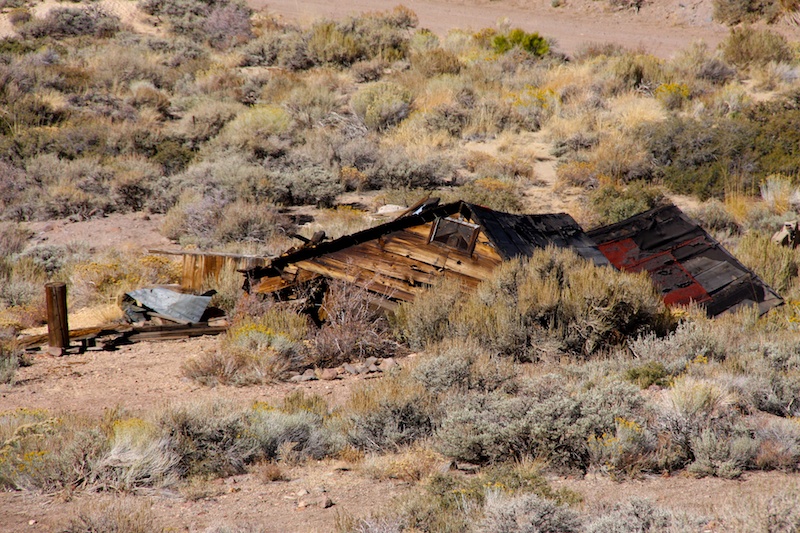
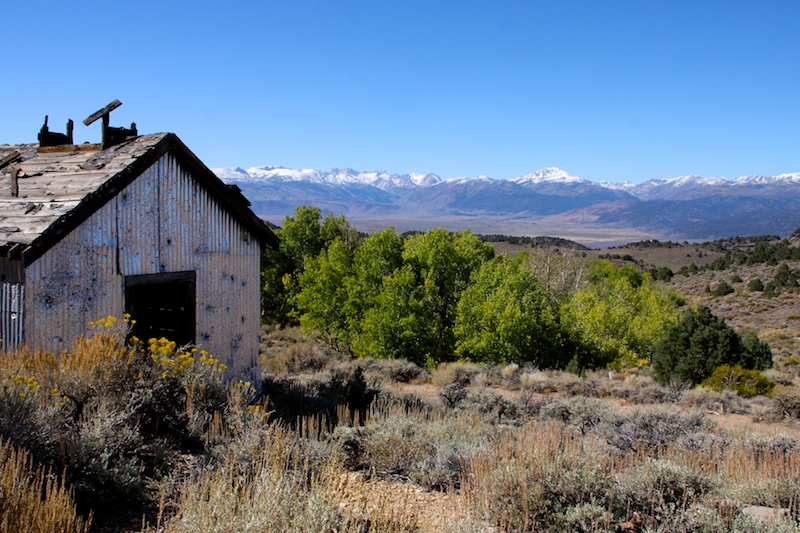 With breathtaking views.
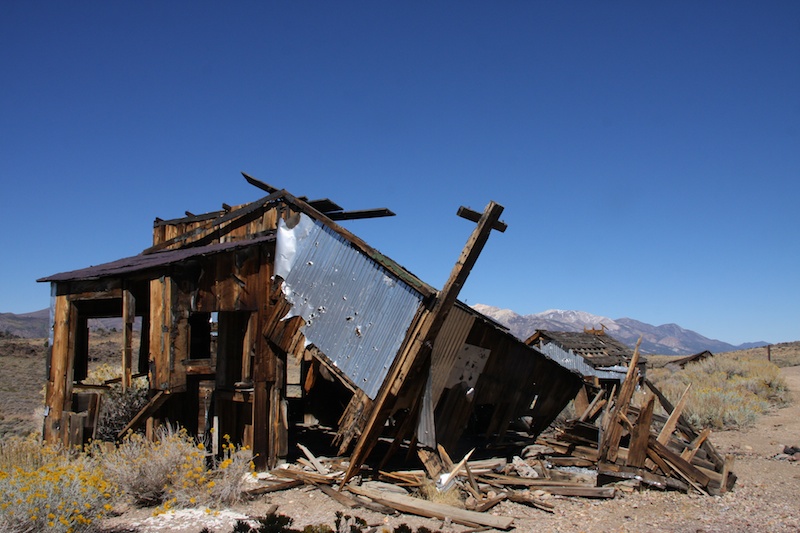 Not sure if this was a place of worship, or just a power line perfectly placed...
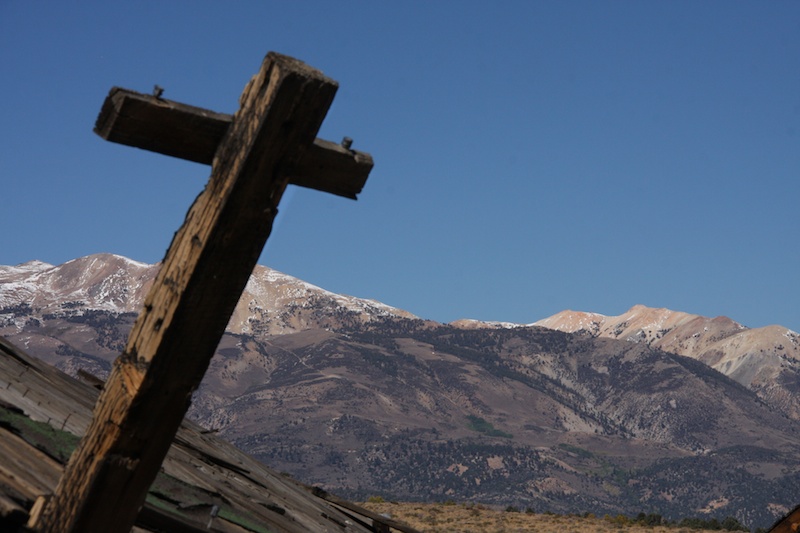 But doesn't this invoke the Wild Wild West to you?
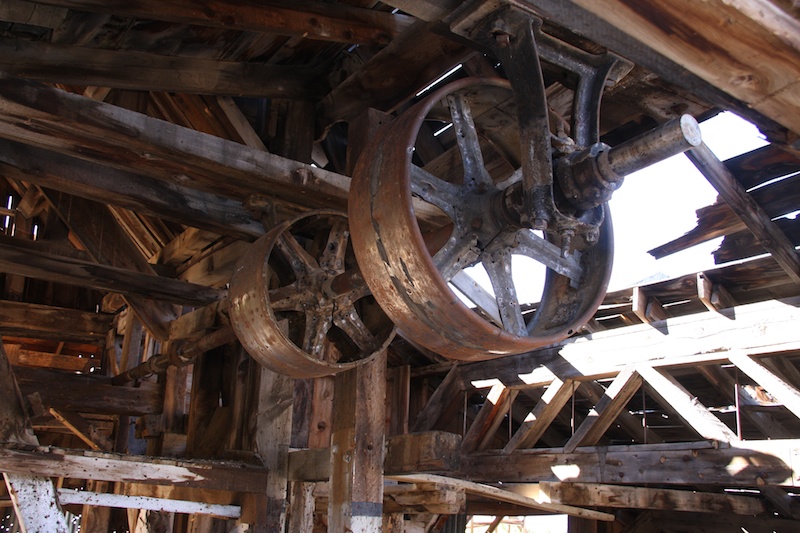 Exploring the ruins of the main building was very interesting.
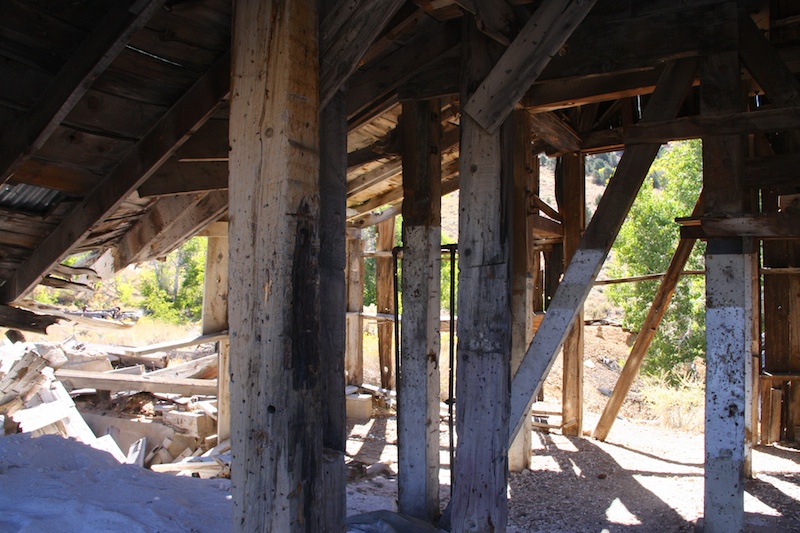 Imagine the people and now ghosts(!) that wandered through these rooms.
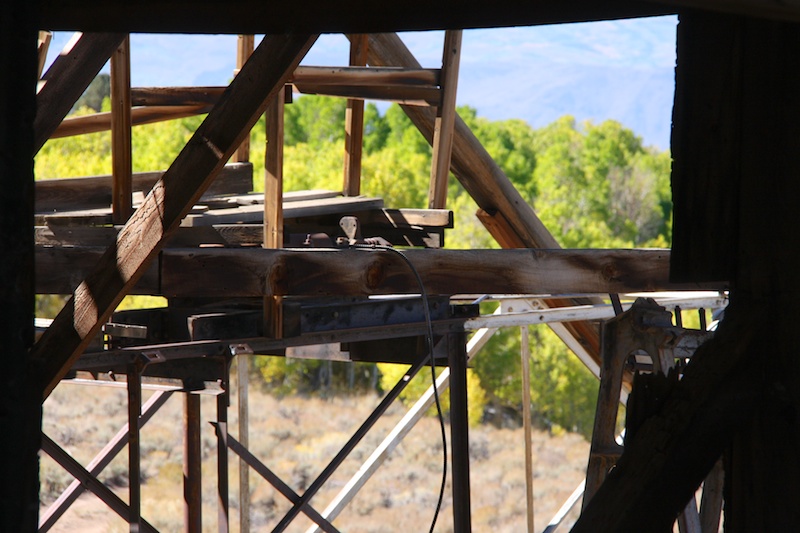 Watching the aspens quake in the wind and change colors in the fall.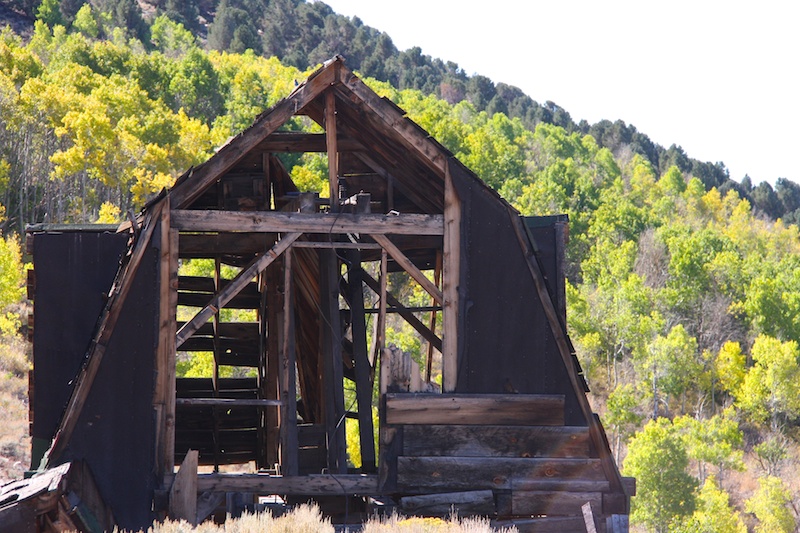
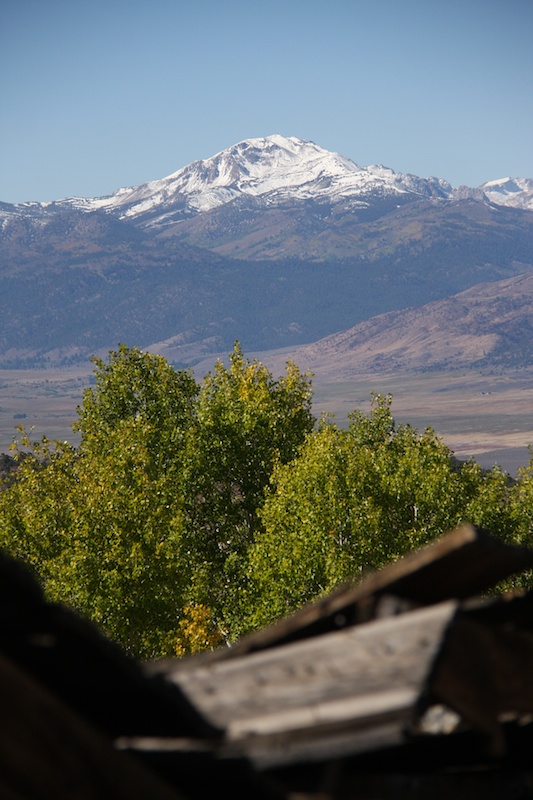 Or prepare for the bitter cold of winter. At 8100 feet elevation, winters were harsh, windy and covered in several feet of snow.
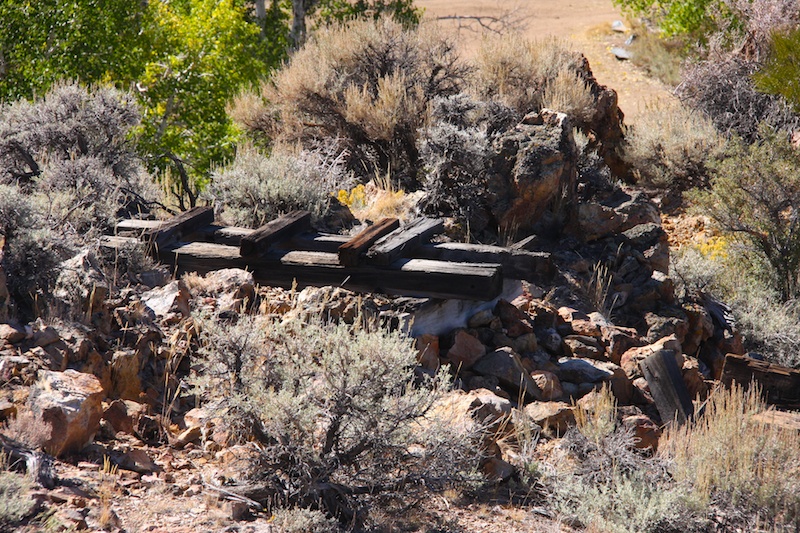 But the dreams of finding "gold in them thar hills" was enough to keep the mine running.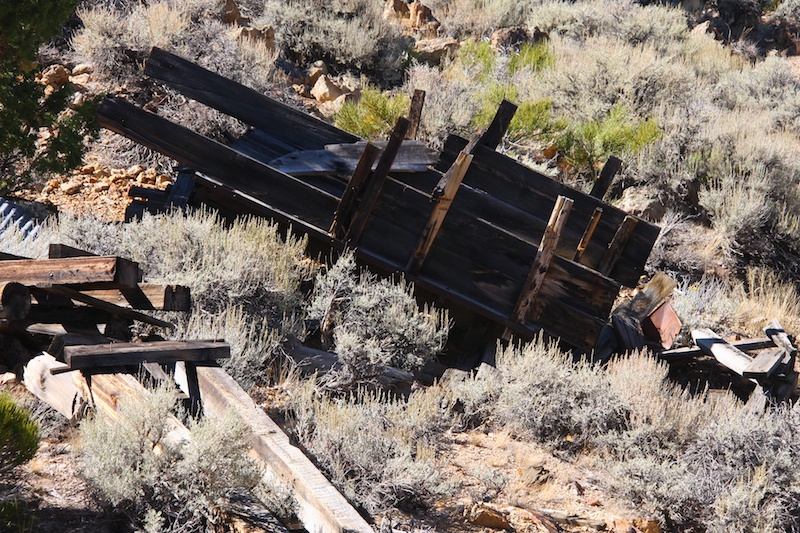
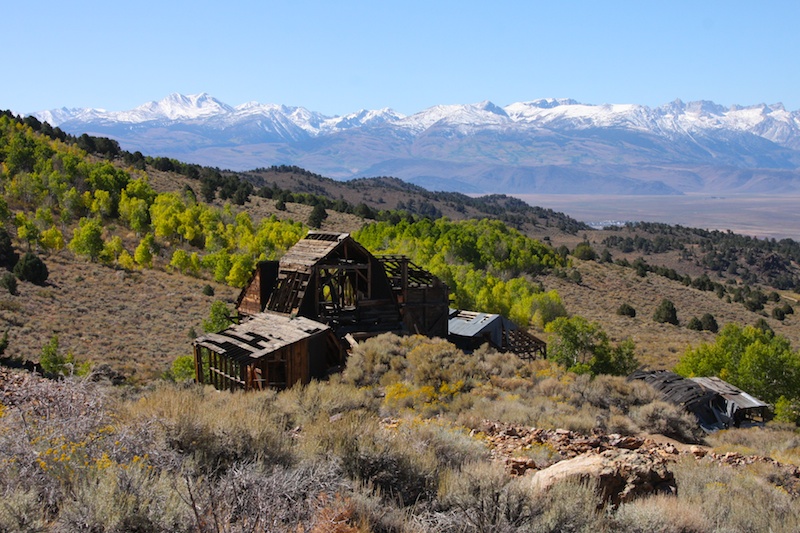 I'm sure you can see why this spot is so amazing. We could have spent half the day exploring this area, but we were just beginning our day.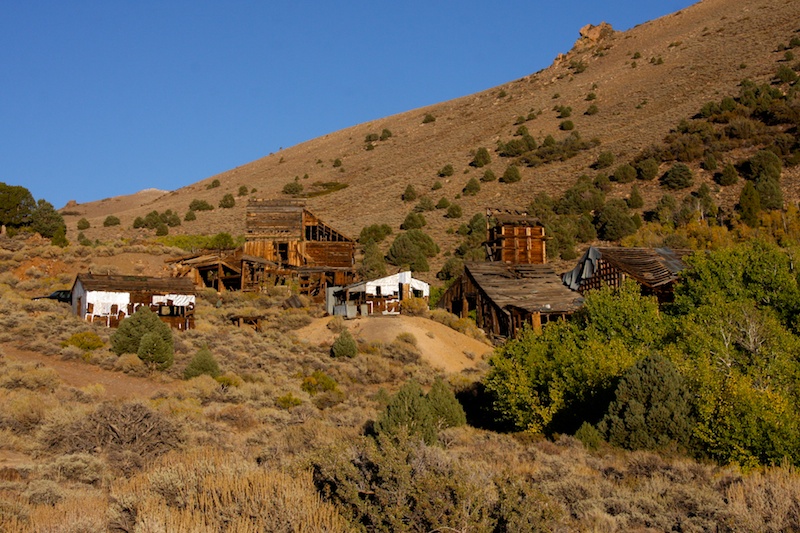
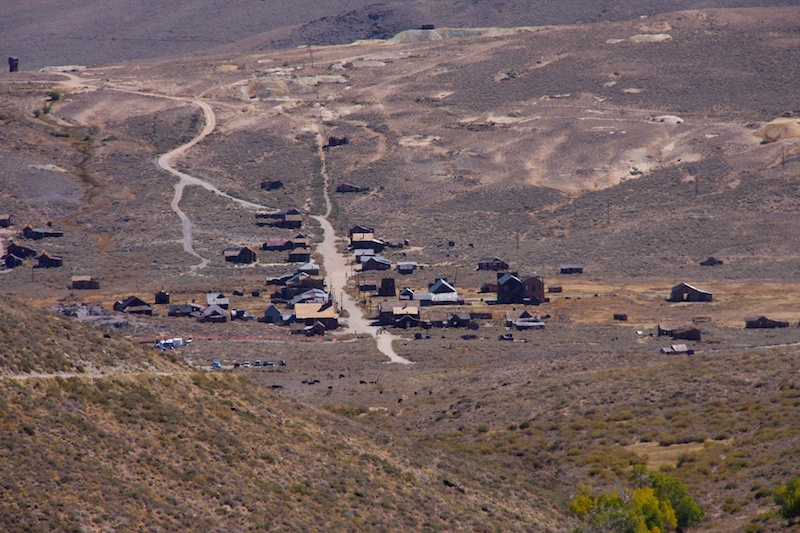 From here we could see how exposed it was to the elements and how much they had excavated the surrounding hillside.
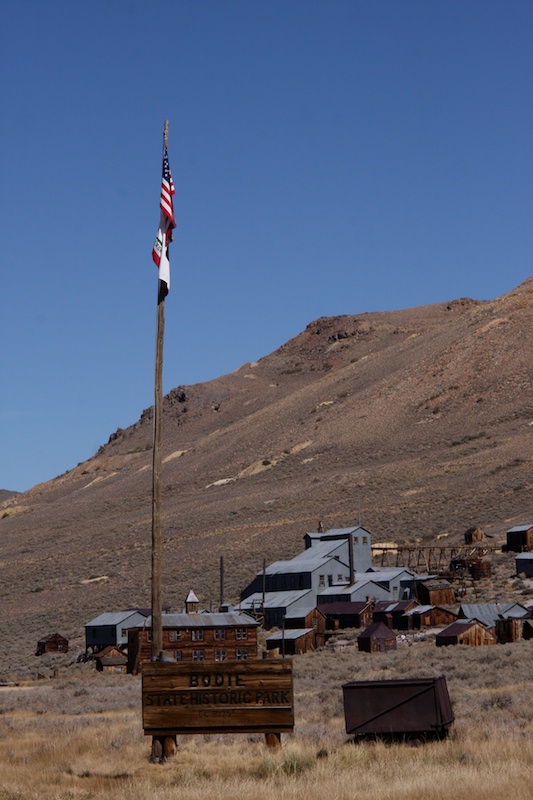 We entered though the back way, but had to drive up to the main entrance to pay the fee. The sign says "Bodie State Historic Park Elevation 8375 feet".
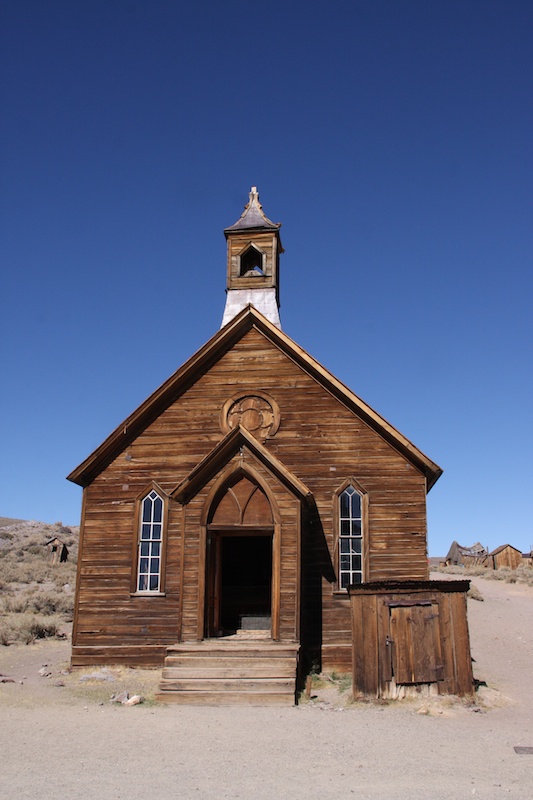 The Methodist Church was built in 1882 and is the only church still standing.
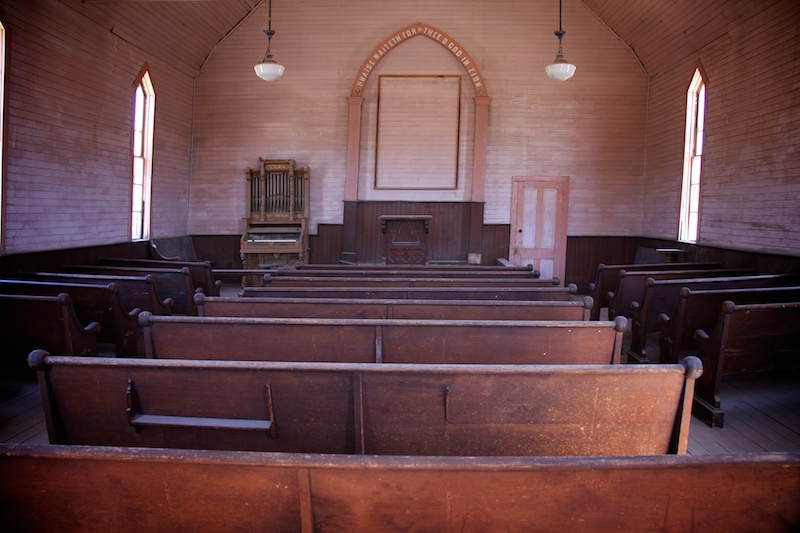 The last service was in 1932.
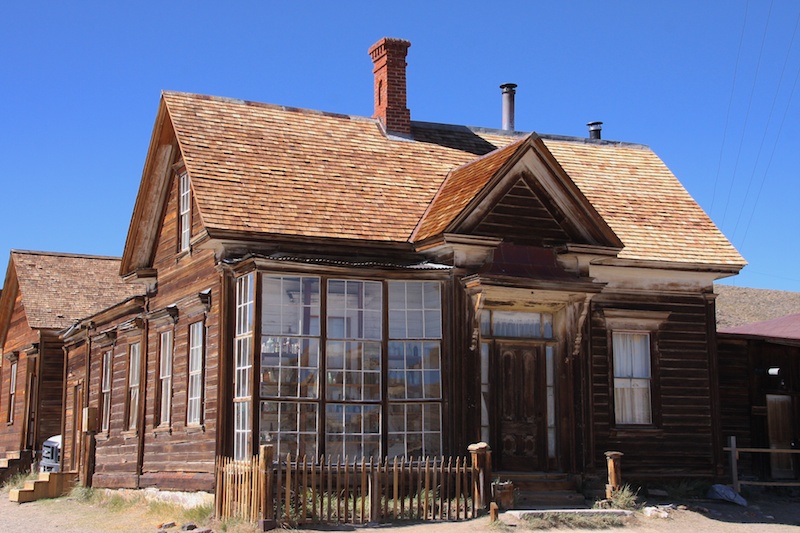 James Stuart Cain residence. Cain came to Bodie when he was 25, entered the lumber business transporting lumber to the mines via barges he built on Mono Lake. Later he expanded into wagon and railroad freighting. He eventually acquired the Standard Mine and Mill and became the town's principal property owner.
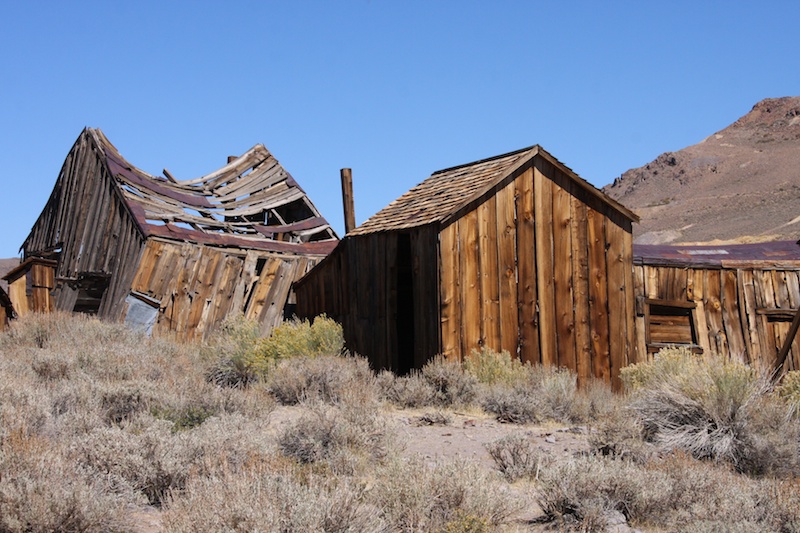 Kirkwood house and barn. Kirkwood owned the main stable.
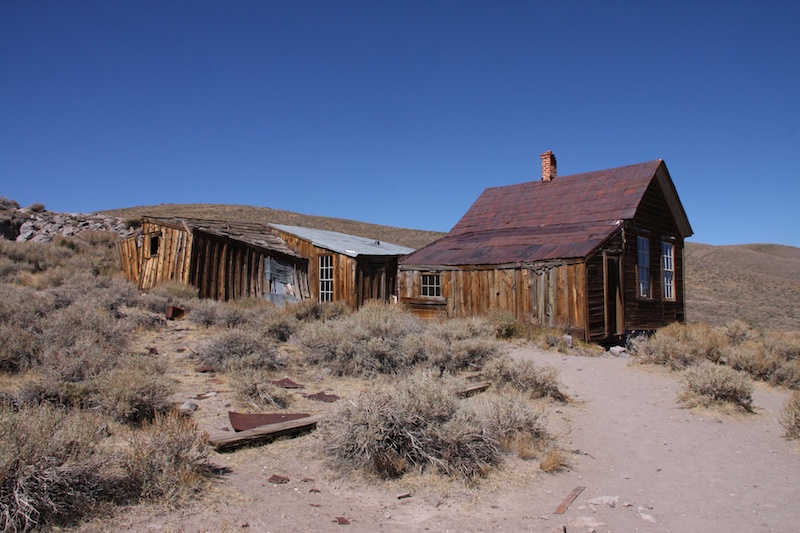 Metzger House. Henry Metzger came to Bodie in 1878 from New York and worked at the mill till 1916. Two of his seven children were born in this house.
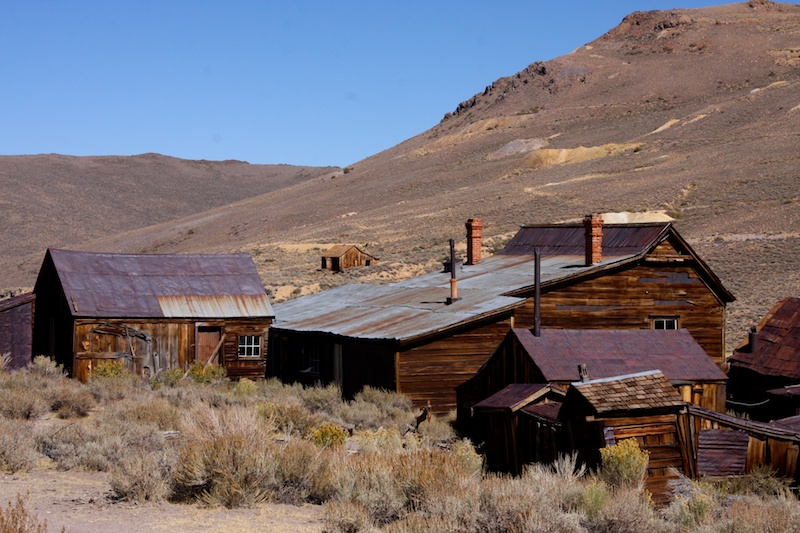 Looking out towards Maiden Lane. That far building was on Maiden Lane or "Virgin Alley". Ladies of the night lived and worked here in a row of one-room cabins.
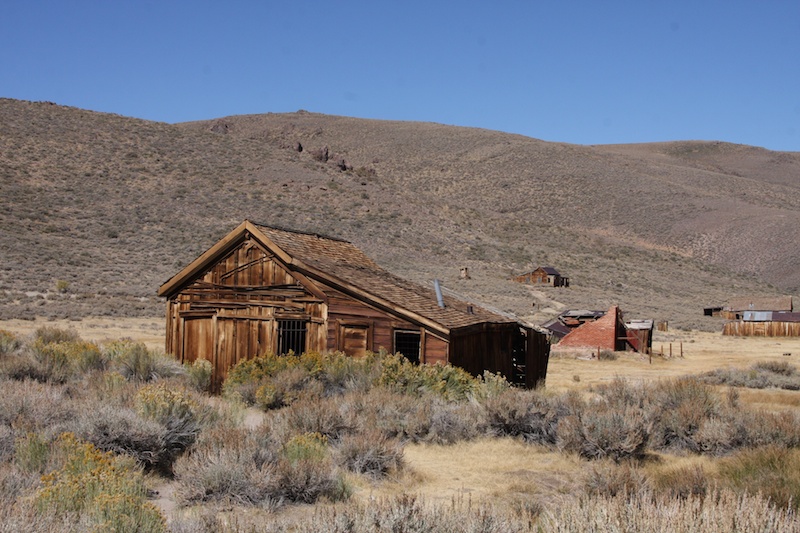 Chinatown. There were several hundred Chinese residents who peddled vegetables, operated laundries and cut, hauled and sold firewood. They maintained their separate customs and traditions. They had their own general store, saloon, gambling halls and Taoist temple but the Opium parlors were open to both Chinese and Caucasian alike.
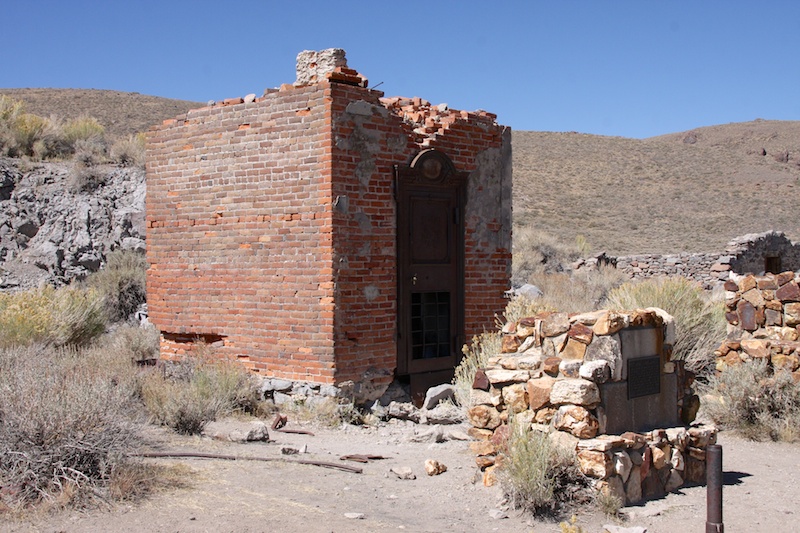 Site of the Bodie Bank.
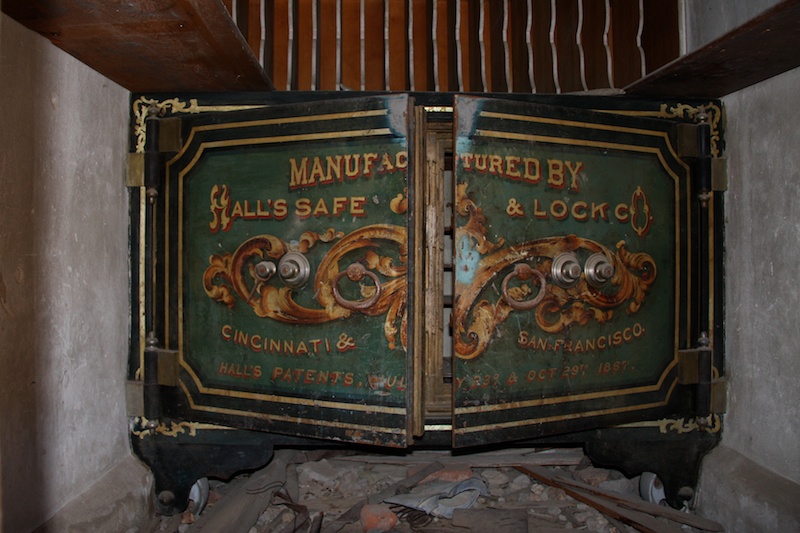 All that remains is the vault, the structure burned in 1932.
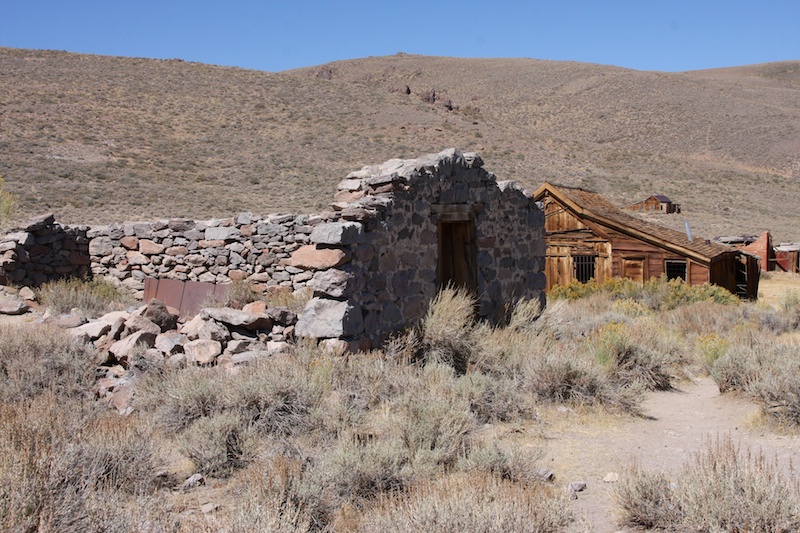 Ruins of a stone warehouse.
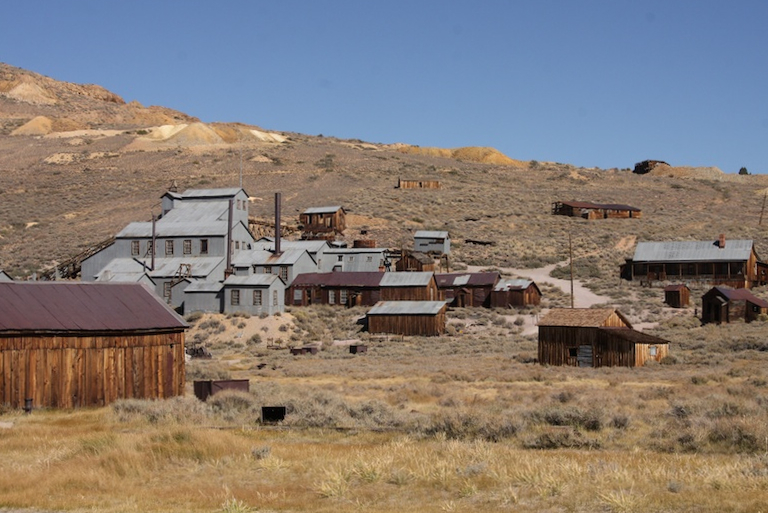
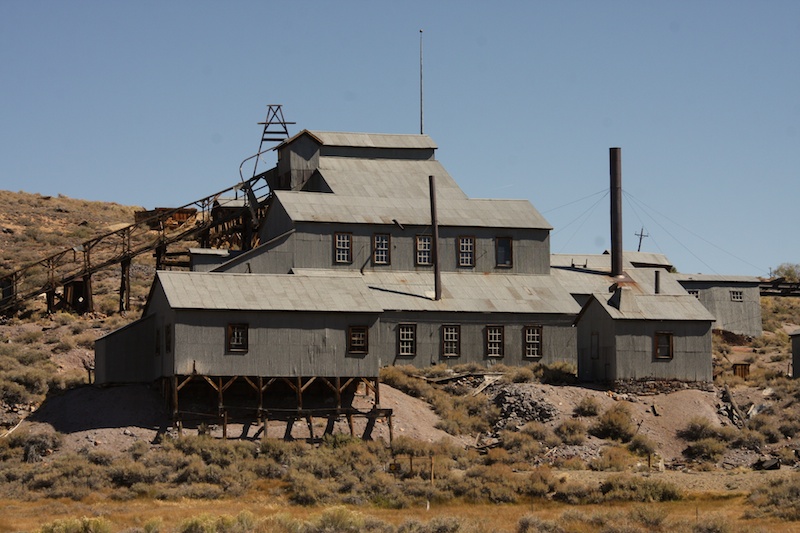 The Standard Mine and Mill. Its success caused the 1878 rush and within a year, the population rose from about 20 miners to 10,000. The mill last operated in 1938. It had produced nearly $100 million in gold and silver during it's lifespan.
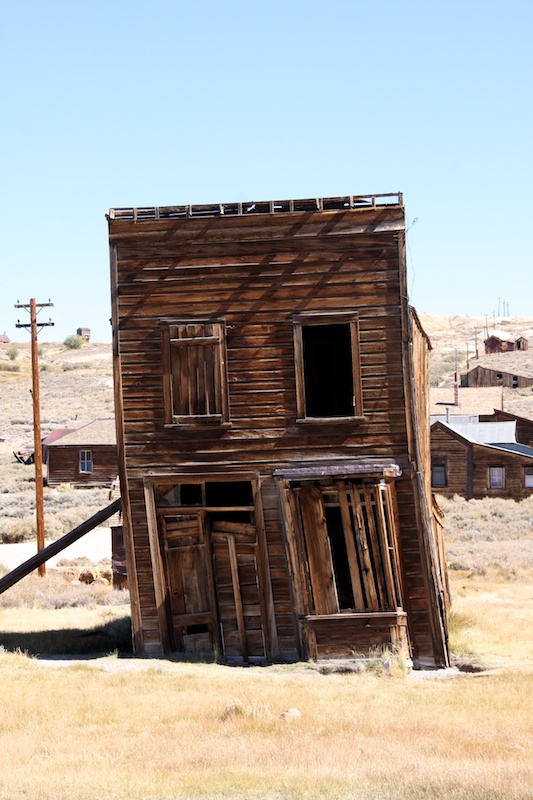 Swazey Hotel.
 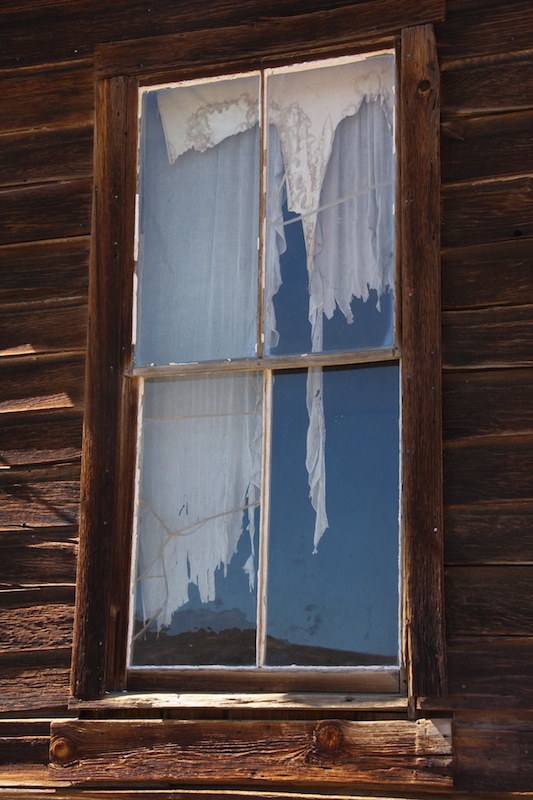 Window into the past.
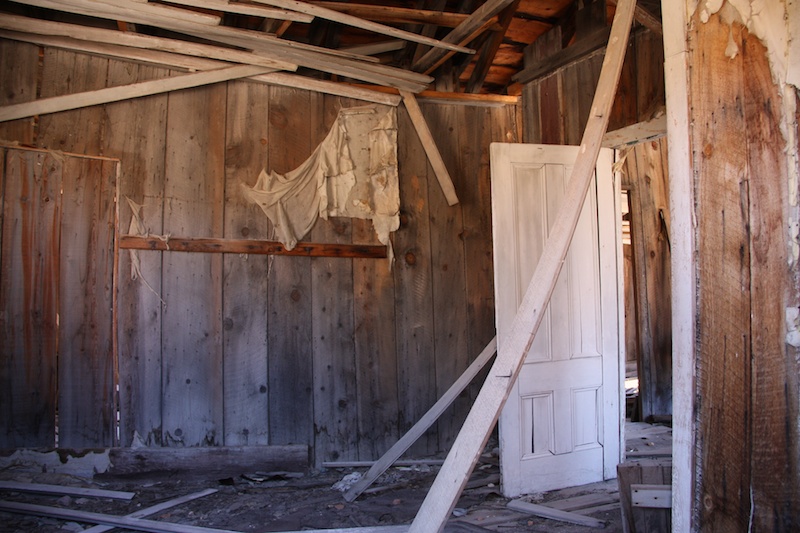 Inside one of the homes.
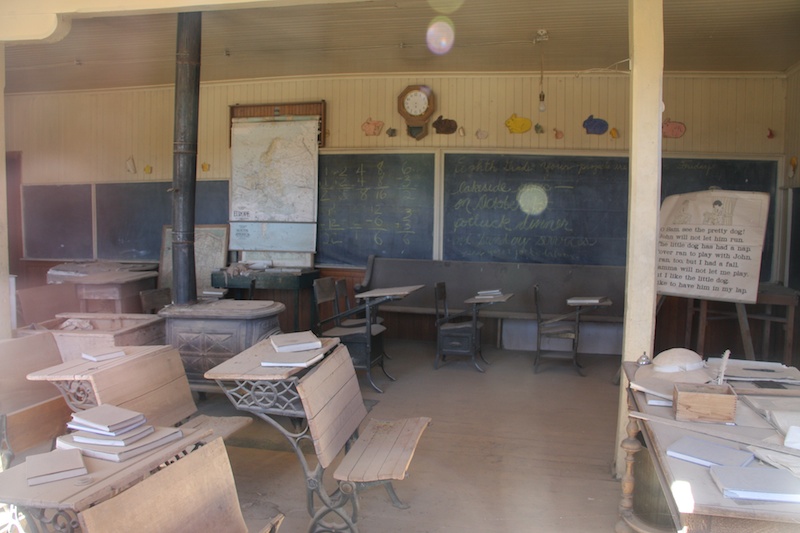 The 1st school house burned down by an early-day juvenile delinquent, so it moved to this location, originally the Bon Ton Lodging house, which was built in 1879.
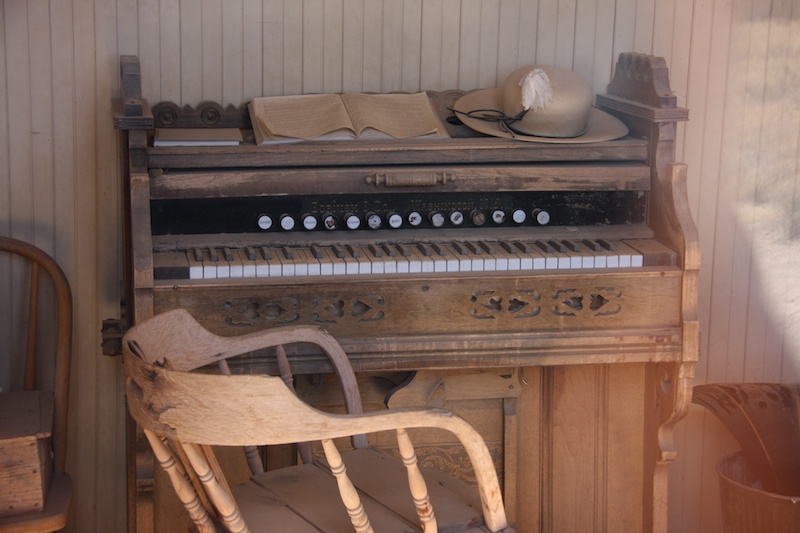 Piano inside the school house.
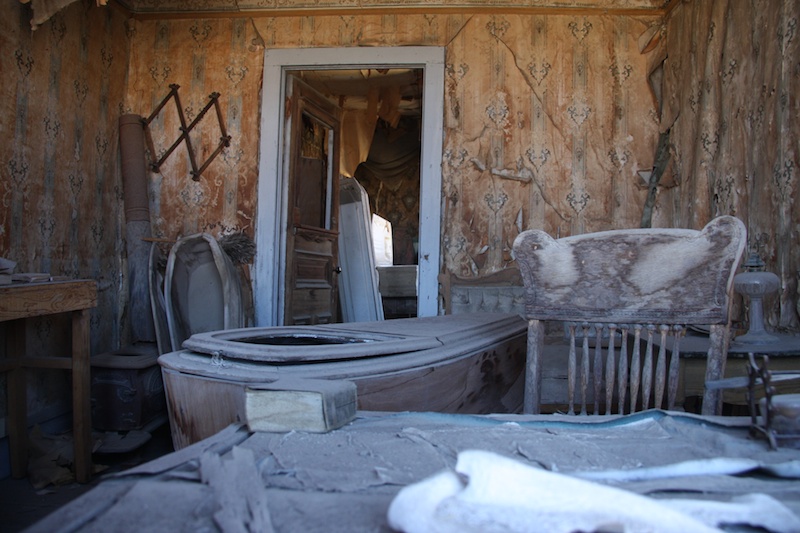 A peak inside the morgue.
 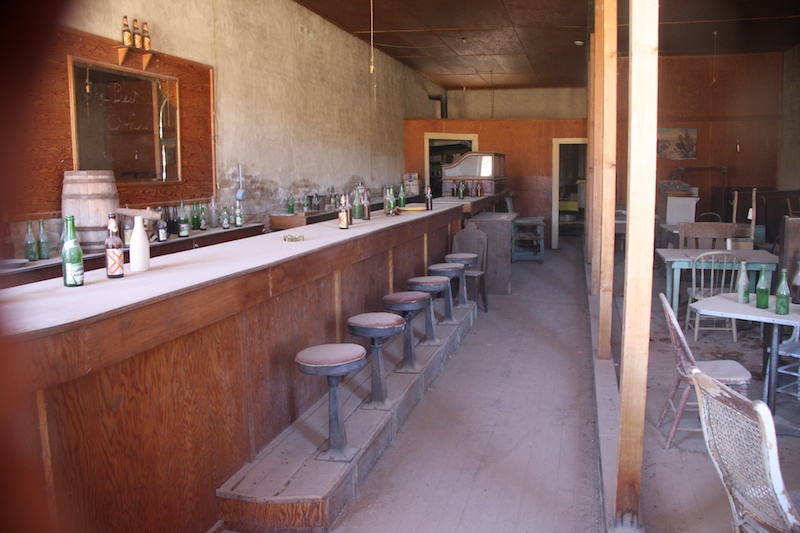 Inside a saloon.
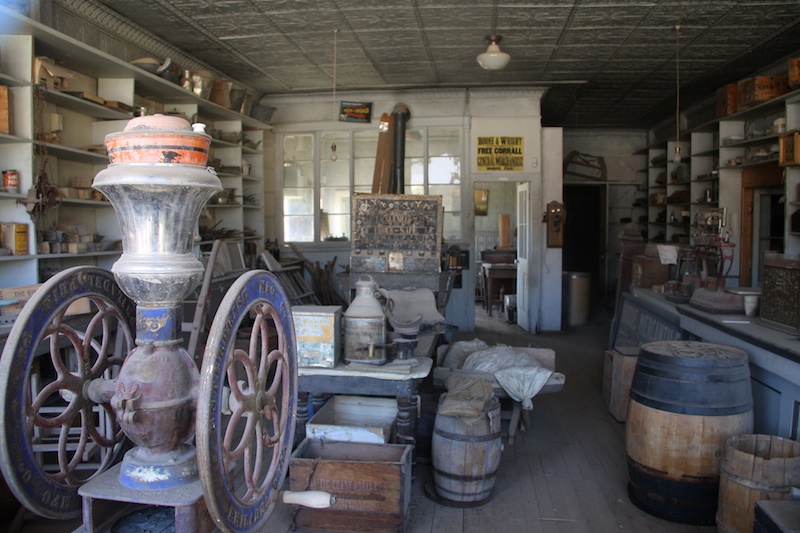 Looking inside the general store and warehouse. Owned by Harvey Boone, a direct descendant of Daniel Boone.
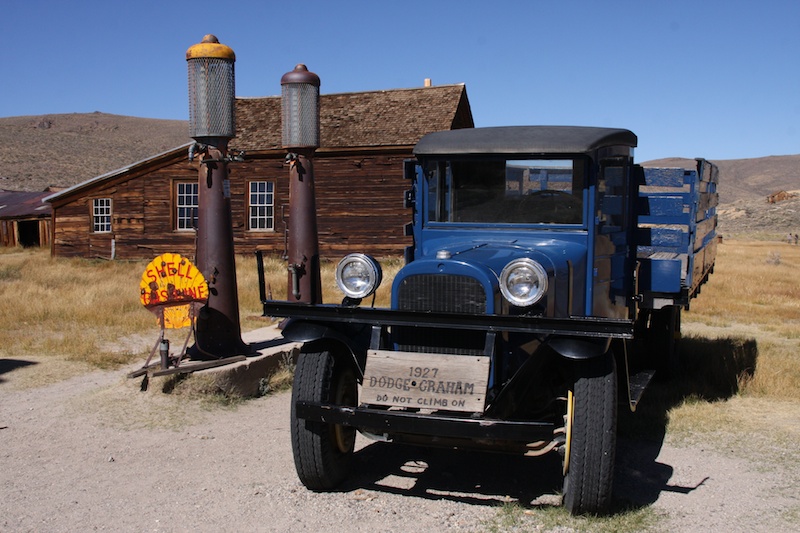 Gasoline pumps in front of the general store.
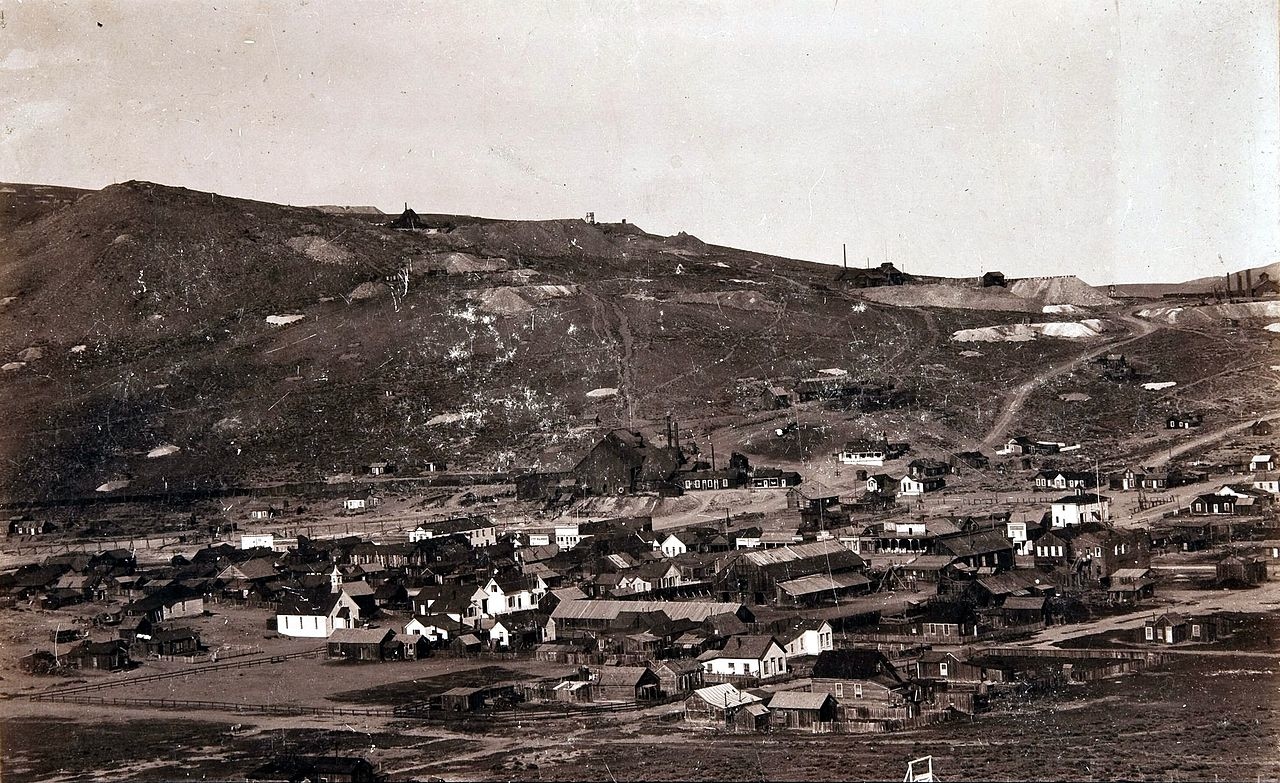 During its peak, there were over 2000 buildings buildings in Bodie. When it became a State Park in 1962, less than 175 buildings remained.


