

Showing posts with label travel. Show all posts
Showing posts with label travel. Show all posts
Friday, May 24, 2019

Saturday, May 18, 2019

Wednesday, March 27, 2019
Saturday, September 15, 2018

Thursday, July 05, 2018

Sunday, July 01, 2018

Friday, October 20, 2017

Thursday, October 19, 2017


Monday, October 16, 2017

Friday, October 13, 2017

Wednesday, May 10, 2017

Owachomo Bridge in Natural Bridges National Monument, Utah

Short hike to Owachomo Bridge...so amazing!! We're seeing lots of cool rocks during this trip. 😀
via Instagram http://ift.tt/2r22KiW
via Instagram http://ift.tt/2r22KiW
Thursday, April 27, 2017

Wednesday, October 05, 2016


Thursday, June 05, 2014
Dinosaurs and Ovens
There are actual dinosaur fossils in Utah!
In 1909, paleontologist Earl Douglass discovered eight dinosaur tailbones protruding from a sandstone hill in the Utah desert. This discovery was the beginning of a dinosaur quarry that ended up being one of the most productive Jurassic era quarries ever found.
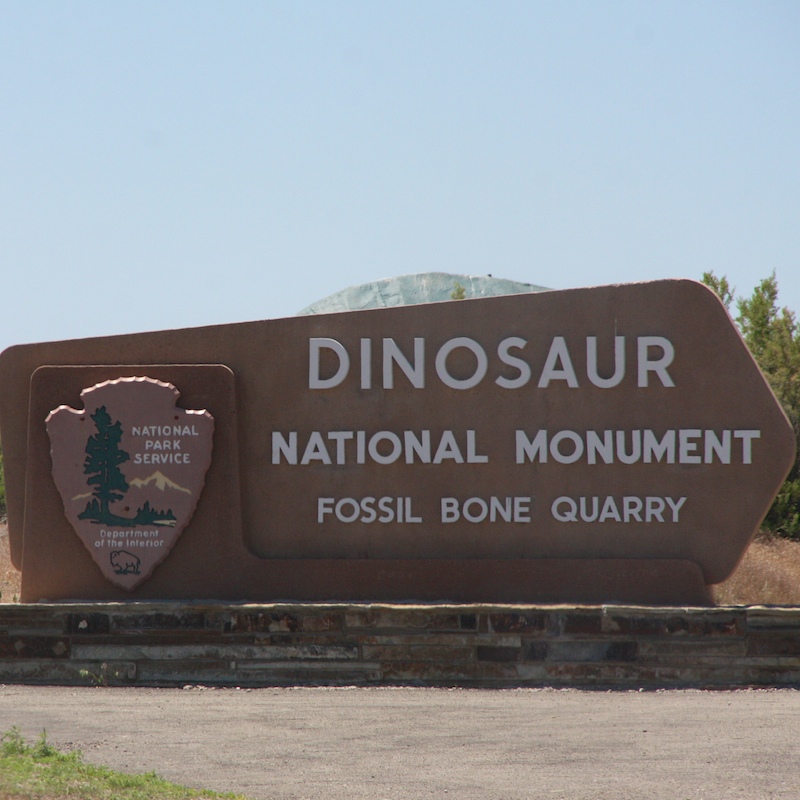 In 1915, Dinosaur National Monument was established to protect and conserve that dinosaur quarry.
There were 10 different dinosaurs found in this area.
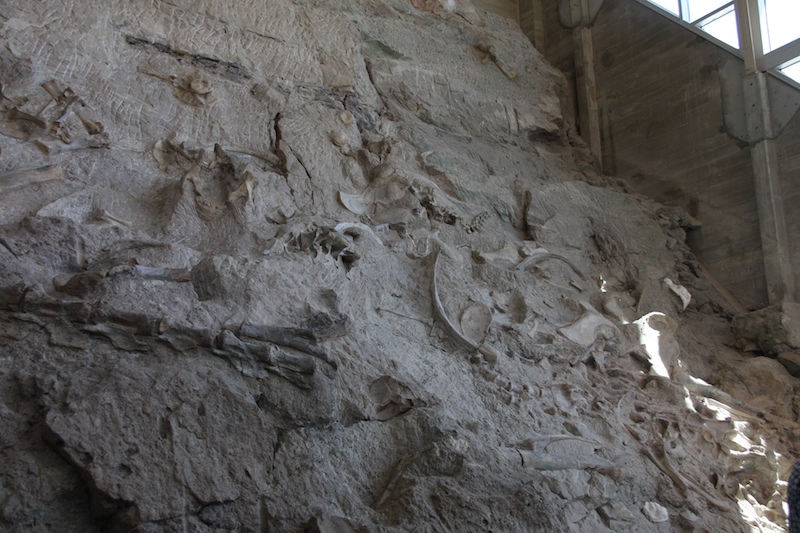 This jumbled mess of bones was created in a riverbed. The ranger said that something, perhaps an 85 foot barosaurus, jammed the river, creating a massive dinosaur bone jam, much like a log jam you'll see in any river. Dead dinosaurs from miles upstream would get caught in this jam and couldn't flow further down river. The flesh rotted away, but the bones remained. As years passed, they were covered and fossilized in sandstone. These dinosaur bones are 149 million years old. After millions of years, the earth shifted, pushing the riverbed upwards, making what was originally a flat river, a mountain.
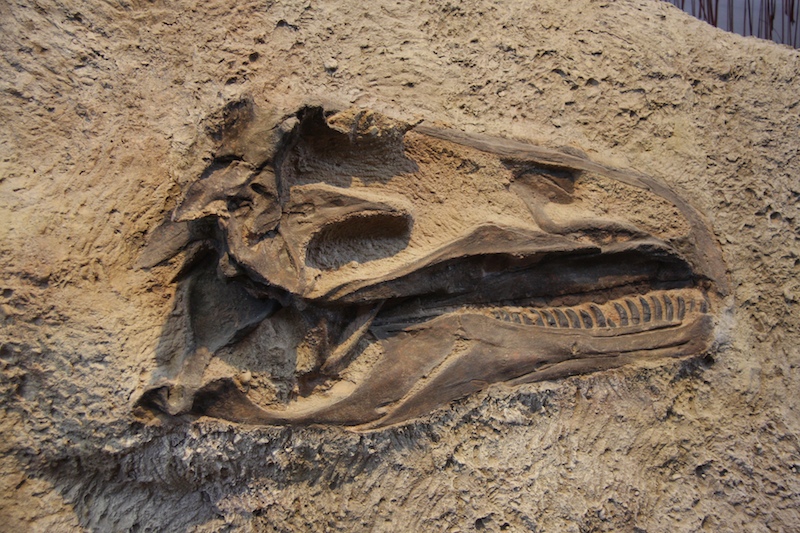
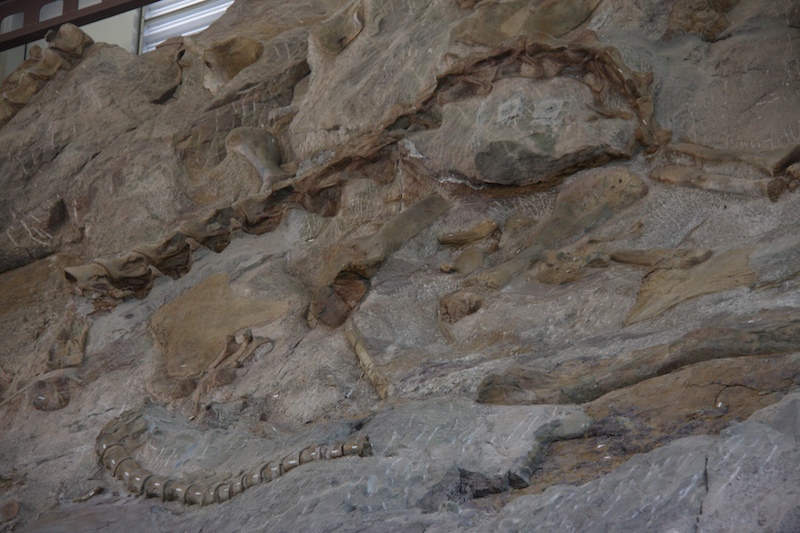
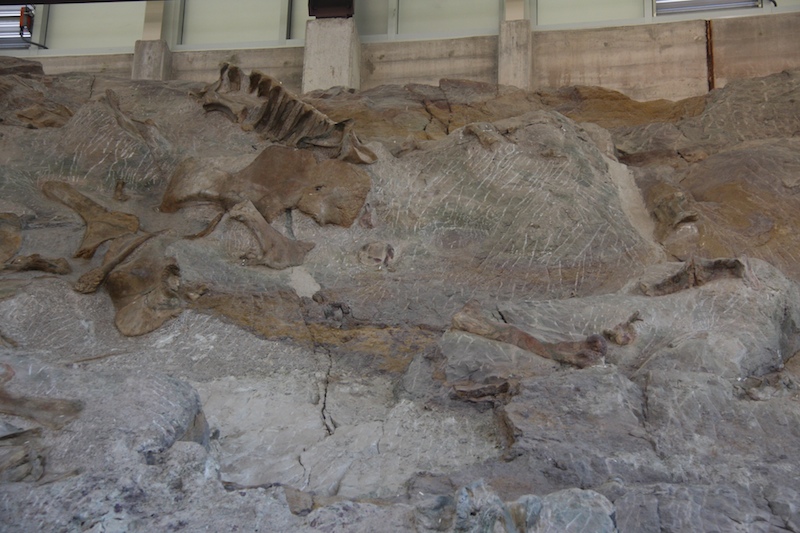 The most common dinosaur found here was the Camarasaurus, a sauropod herbivore. Other dinosaurs found were:
sauropods (herbavores): Apatosaurus, Barosaurus, Diplodocus;
theropods (carnivores): Allosaurus, Ceratosaurus and Torvosaurus;
ornithischians (Beak-like herbivores): Camptosaurus, Stegosaurus, and Dryosaurus.
Phew. That was a mouthful. Did you get all that?
Nevermind all the official names, it was just very cool walking in the same spot that dinosaurs walked. I had never been overly interested in dinosaurs, but physically being in that spot was amazing. And kind of humbling - my (hopefully) 80-90 years on this earth is nothing. But I will make the very most of it, that's for sure!
The rest of our drive through Utah was fairly uneventful.
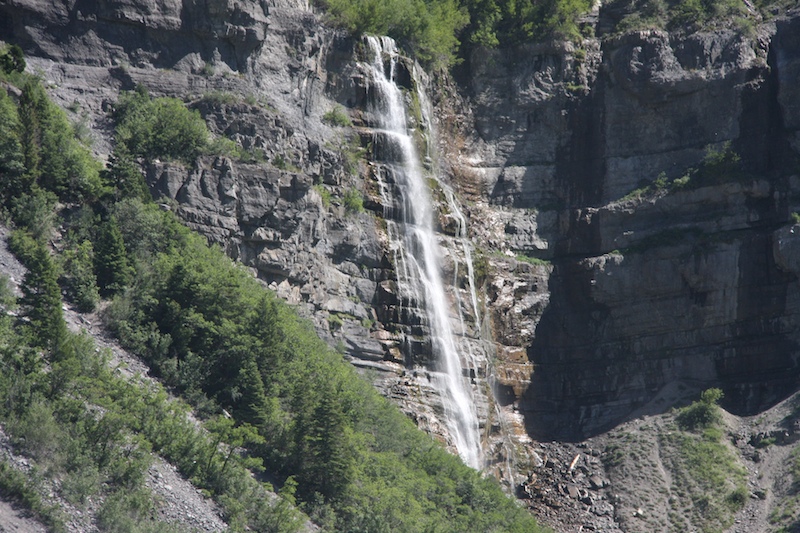 We saw some nice waterfalls as we got into Provo, but this journey didn't take us to Utah's more famous Arches, Bryce or Zyon National Parks. Another year perhaps.
All of Nevada is desert.
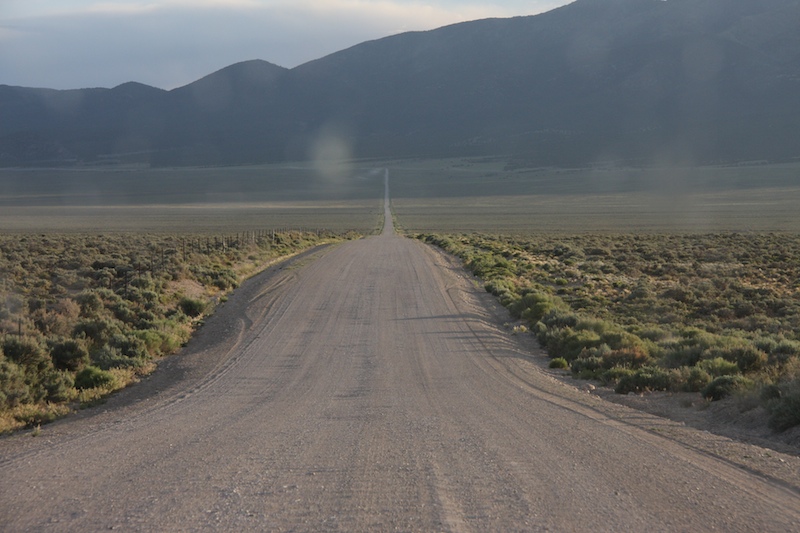 Miles of endless desert.
Pardon the spots. Sometimes you gotta shoot through a bug splattered windshield.
But now and then, you can find a hidden jem in this desert wasteland.
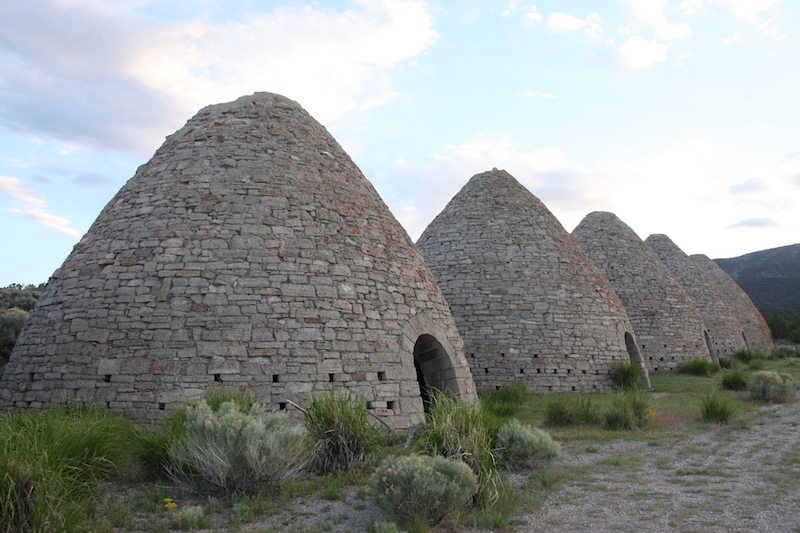 Like these Ward Charcoal Ovens.
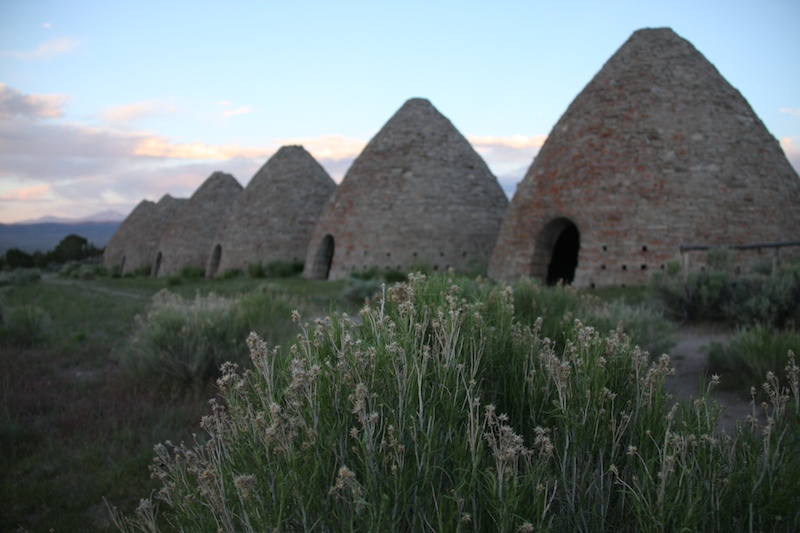 They were built in 1876 to turn timber into charcoal to be used for the nearby silver mines. They're 30 feet high and 27 feet in diameter at the base. They were only used for 3 years, till they ran out of timber and ore.
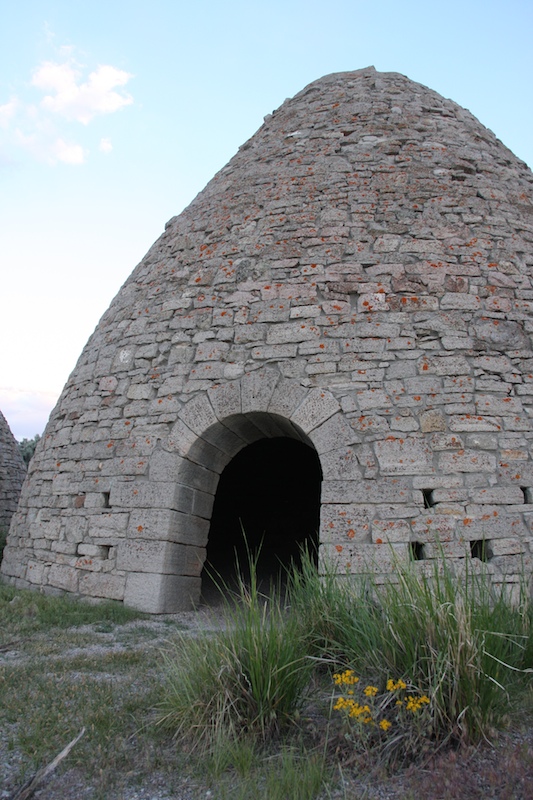 Afterwards, they were used by prospectors and stockmen for shelter during harsh weather. More notoriously, they were used as a hideout for stagecoach bandits.
Here's a simple video I took of the ovens.
This one, lead by a state park ranger, is more informative.
In 1909, paleontologist Earl Douglass discovered eight dinosaur tailbones protruding from a sandstone hill in the Utah desert. This discovery was the beginning of a dinosaur quarry that ended up being one of the most productive Jurassic era quarries ever found.
In 1915, Dinosaur National Monument was established to protect and conserve that dinosaur quarry.There were 10 different dinosaurs found in this area.
This jumbled mess of bones was created in a riverbed. The ranger said that something, perhaps an 85 foot barosaurus, jammed the river, creating a massive dinosaur bone jam, much like a log jam you'll see in any river. Dead dinosaurs from miles upstream would get caught in this jam and couldn't flow further down river. The flesh rotted away, but the bones remained. As years passed, they were covered and fossilized in sandstone. These dinosaur bones are 149 million years old. After millions of years, the earth shifted, pushing the riverbed upwards, making what was originally a flat river, a mountain.The most common dinosaur found here was the Camarasaurus, a sauropod herbivore. Other dinosaurs found were:sauropods (herbavores): Apatosaurus, Barosaurus, Diplodocus;
theropods (carnivores): Allosaurus, Ceratosaurus and Torvosaurus;
ornithischians (Beak-like herbivores): Camptosaurus, Stegosaurus, and Dryosaurus.
Phew. That was a mouthful. Did you get all that?
Nevermind all the official names, it was just very cool walking in the same spot that dinosaurs walked. I had never been overly interested in dinosaurs, but physically being in that spot was amazing. And kind of humbling - my (hopefully) 80-90 years on this earth is nothing. But I will make the very most of it, that's for sure!
The rest of our drive through Utah was fairly uneventful.
We saw some nice waterfalls as we got into Provo, but this journey didn't take us to Utah's more famous Arches, Bryce or Zyon National Parks. Another year perhaps.All of Nevada is desert.
Miles of endless desert.Pardon the spots. Sometimes you gotta shoot through a bug splattered windshield.
But now and then, you can find a hidden jem in this desert wasteland.
Like these Ward Charcoal Ovens.They were built in 1876 to turn timber into charcoal to be used for the nearby silver mines. They're 30 feet high and 27 feet in diameter at the base. They were only used for 3 years, till they ran out of timber and ore.Afterwards, they were used by prospectors and stockmen for shelter during harsh weather. More notoriously, they were used as a hideout for stagecoach bandits.Here's a simple video I took of the ovens.
This one, lead by a state park ranger, is more informative.
Tuesday, June 03, 2014
Bear's Lodge
More popularly known as Devil's Tower.
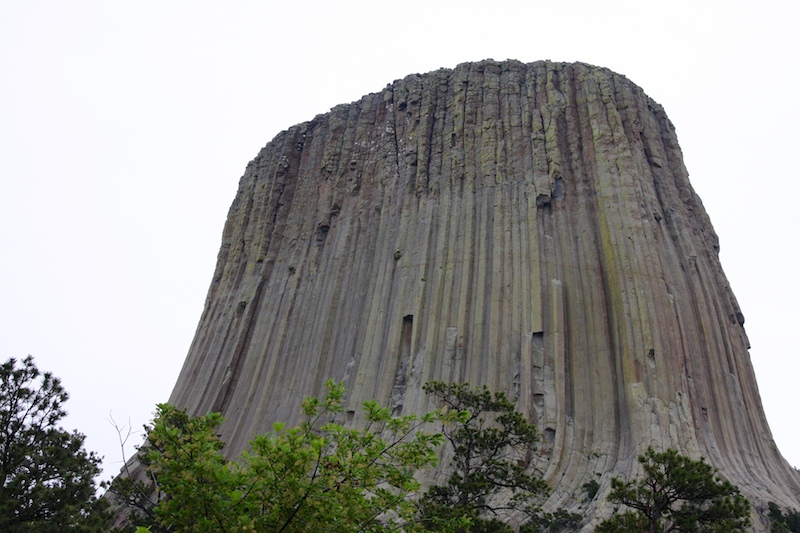
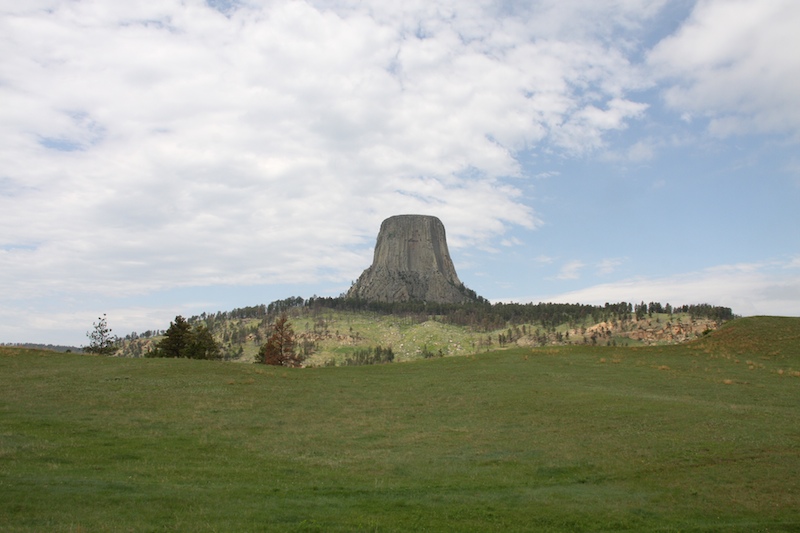 Devil's Tower is an amazing butte that rises above the hilly grasslands in Wyoming. Geologists agree that it was formed by magma forcing into or between other rock formations. But I'm no geologist and while I do think it's interesting how this could have happened, I can't understand the terminology well enough to paraphrase it here.
What I do love though, is the Native American legends of this tower.
They believe this place to be a very sacred site. Over 20 tribes have cultural affiliations here. There are different legends that have been passed down for generations.
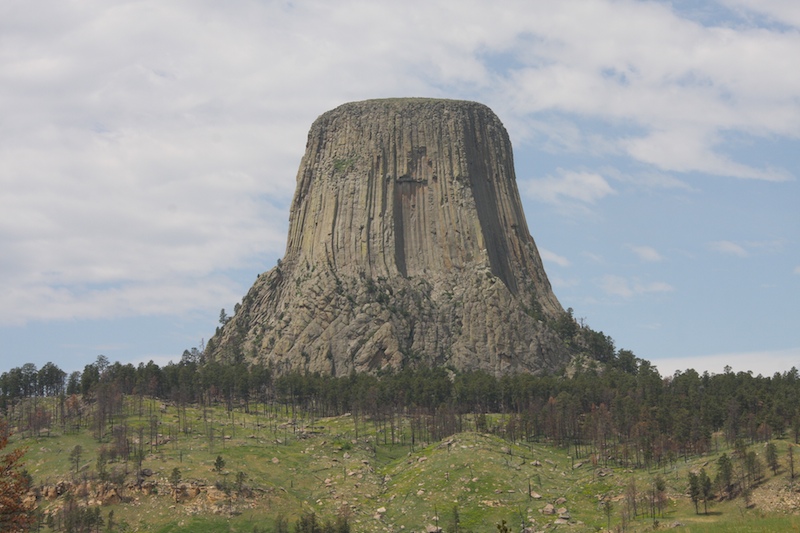 Some Indigenous People call it Mato Tipila, meaning Bear Lodge.
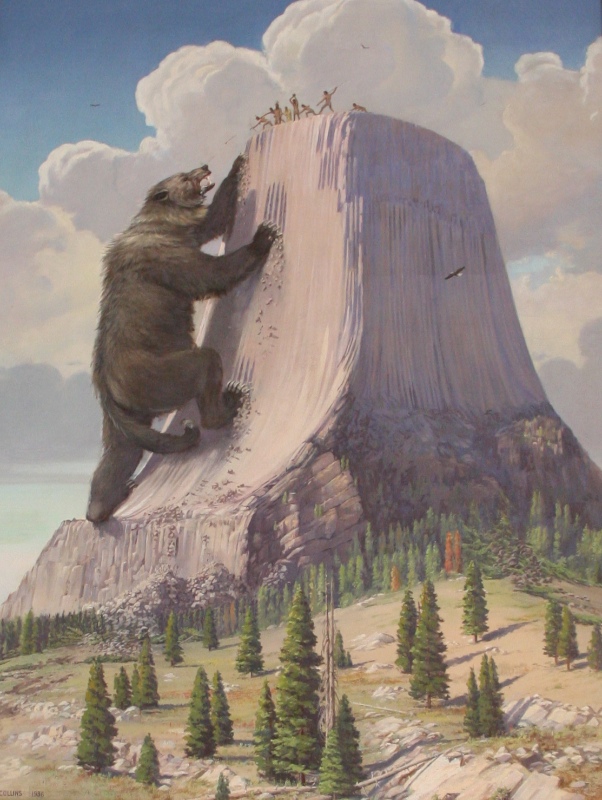
 Some of the legends talk about Indian children who were lost from their tribe. A great bear chased after them but when they jumped upon a great stump, it grew into the enormous stump formation it is today. The bear tried to claw up the stump to eat the children, creating the vertical impressions into the rock, but he could never reach them.
Devil's Tower is an amazing butte that rises above the hilly grasslands in Wyoming. Geologists agree that it was formed by magma forcing into or between other rock formations. But I'm no geologist and while I do think it's interesting how this could have happened, I can't understand the terminology well enough to paraphrase it here.What I do love though, is the Native American legends of this tower.
They believe this place to be a very sacred site. Over 20 tribes have cultural affiliations here. There are different legends that have been passed down for generations.
Some Indigenous People call it Mato Tipila, meaning Bear Lodge.Some of the legends talk about Indian children who were lost from their tribe. A great bear chased after them but when they jumped upon a great stump, it grew into the enormous stump formation it is today. The bear tried to claw up the stump to eat the children, creating the vertical impressions into the rock, but he could never reach them.
Monday, June 02, 2014
Minuteman and Badlands
If you're around my age or older, you can't help but remember the Cold War. It was the Western Bloc against the Eastern Bloc. Both sides had strategic nuclear weapon defenses ready to use in case one side had a military strike against the other. Thankfully, neither side called an order to strike.
There were several of these defensive missile sites in the Northern Plains. We toured one of them today. This particular one was built in the early 1980s. Operations shut down in the early 1990s after the cold war was over. The National Park Services maintain this site as it looked and operated then.
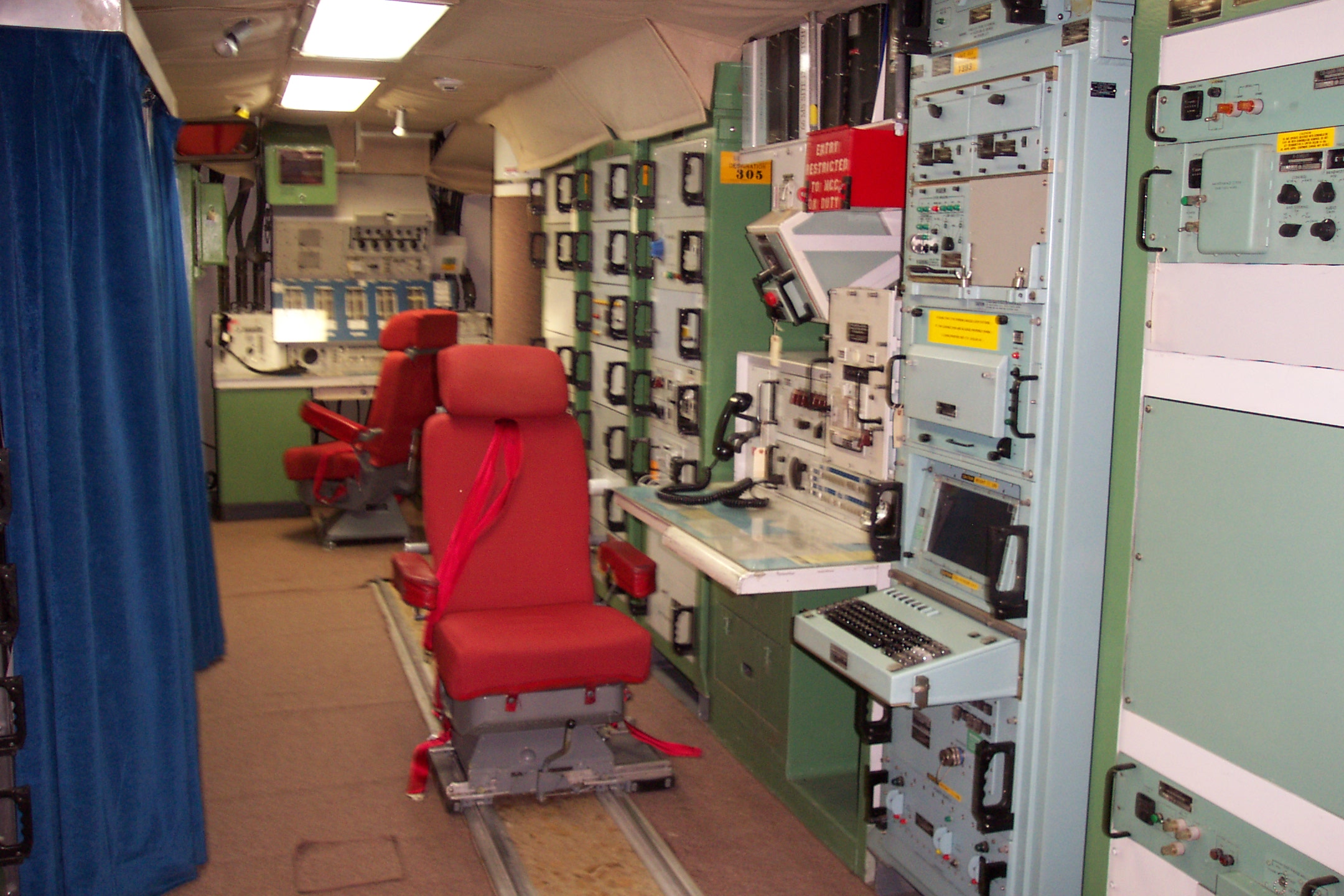 Two men worked in the small chamber on 24 hour shifts. They were the ones who would launch the missiles if the call to strike ever came.
photo source
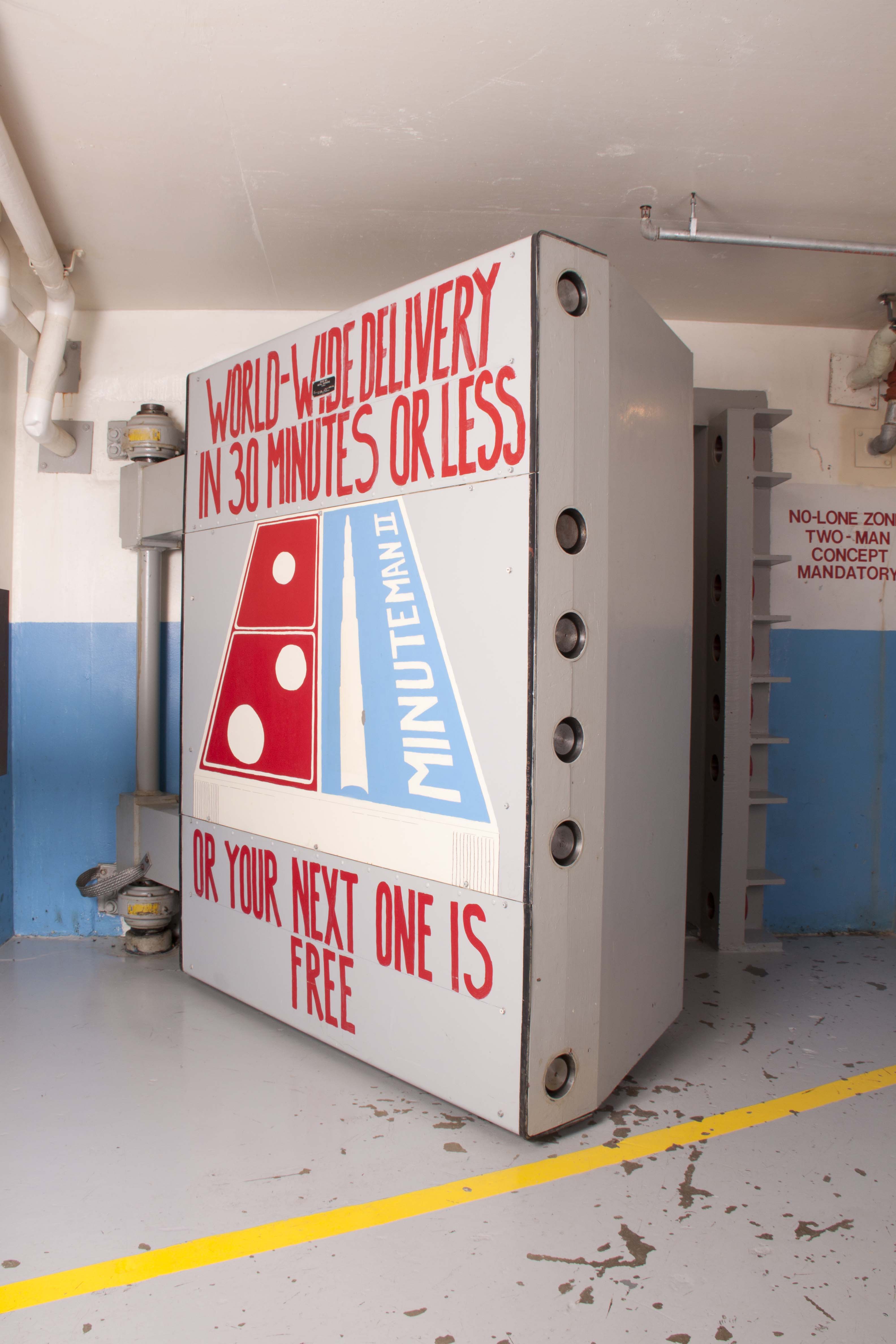 This is the steel-and-concrete blast door that seals the entrance to the control center. The door was painted as a twist to the old domino pizza commercials.
photo source
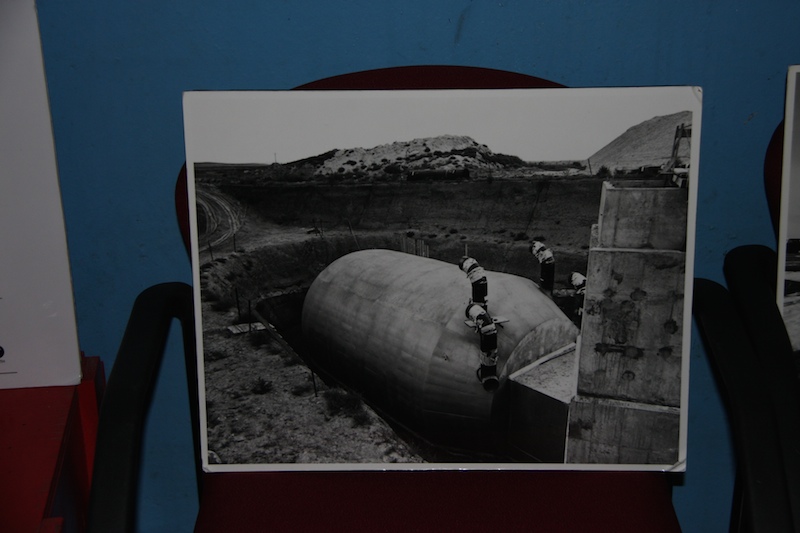 This is the chamber as they were putting it into the ground. It's buried under 30 feet of dirt and sand.
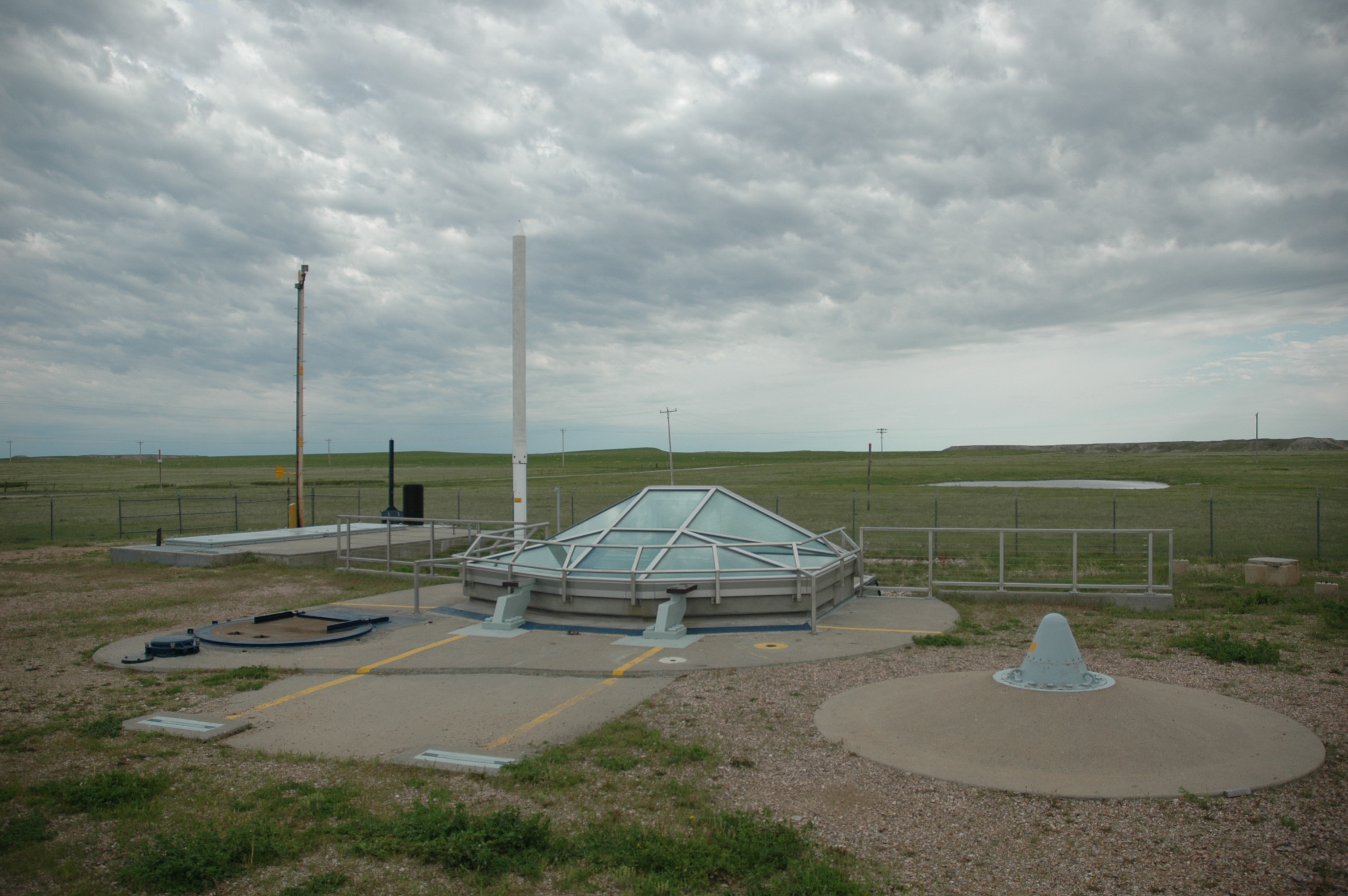 We also visited an actual missile silo. The door covering the missile weighed 90 tons.
photo source
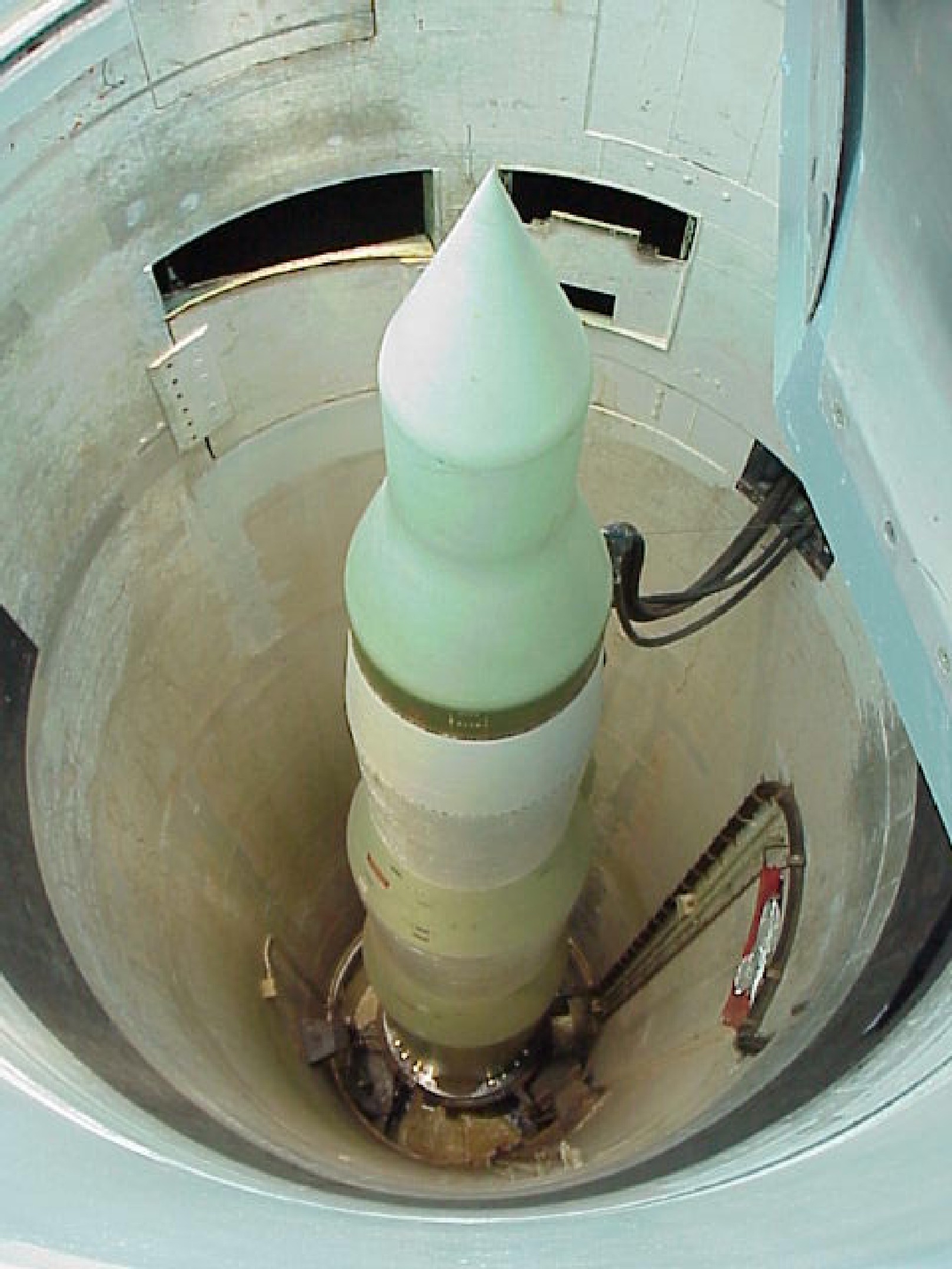 And the missile below.
photo source
I took a bunch of photos, too. But these from the National Park Services seem to be better. The glass on the door is just for our viewing purposes. They didn't originally have the glass. But my photos had a lot of reflections from the glass.
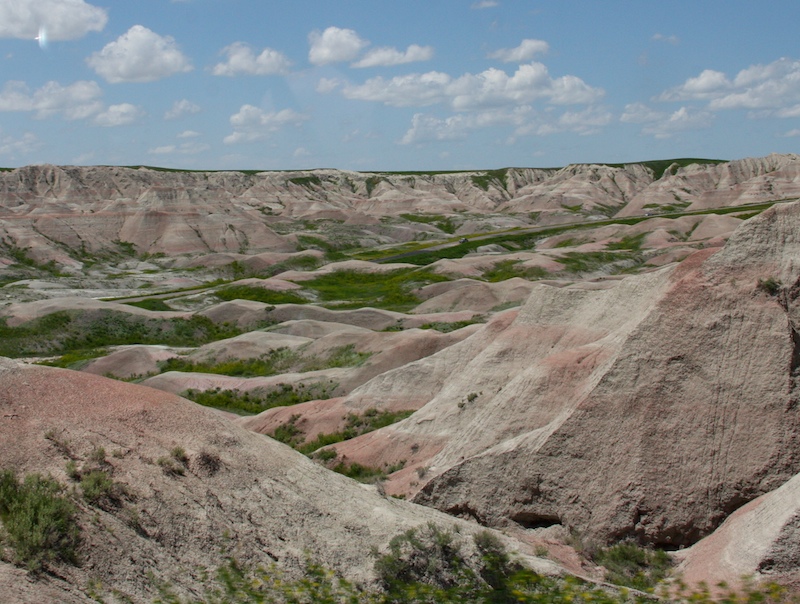
While we were near the Minuteman Launch Site, we took our last drive through the Badlands.
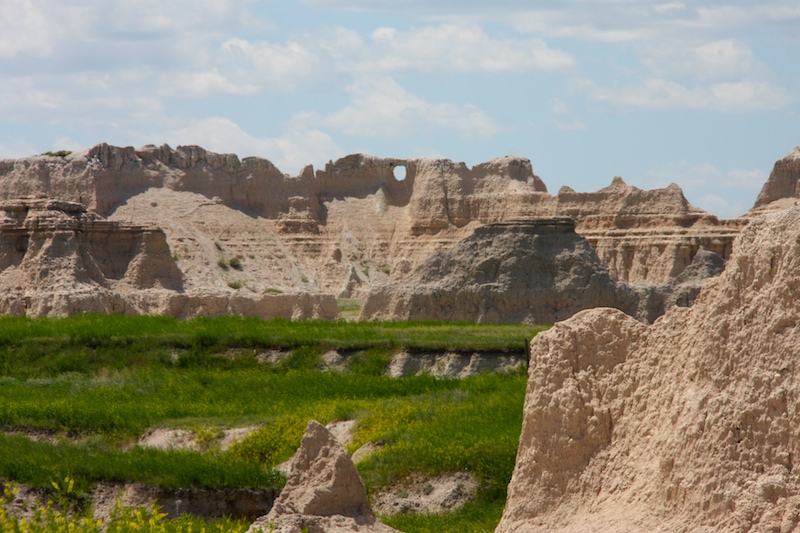 They look a little bit different than the ones in North Dakota.
Today's adventures were a little more somber than some of our other days, but still very important to our journey. I remember my mom being afraid of a nuclear attack in the 70s. She talked about building a bomb shelter under our house. I also remember the controversy about the missile silos being built. At the time I didn't know they were talking about something different from a grain silo. I didn't understand why anyone would be so upset about a grain silo. Of course, I learned about it in middle school and high school so I knew the difference by then. Also, Jimmy travelled the Soviet Union in May-June 1989, just 5 months before the Berlin Wall fell, which was a key moment in the ending of the Cold War.
There were several of these defensive missile sites in the Northern Plains. We toured one of them today. This particular one was built in the early 1980s. Operations shut down in the early 1990s after the cold war was over. The National Park Services maintain this site as it looked and operated then.
Two men worked in the small chamber on 24 hour shifts. They were the ones who would launch the missiles if the call to strike ever came.photo source
This is the steel-and-concrete blast door that seals the entrance to the control center. The door was painted as a twist to the old domino pizza commercials.photo source
This is the chamber as they were putting it into the ground. It's buried under 30 feet of dirt and sand.We also visited an actual missile silo. The door covering the missile weighed 90 tons.photo source
And the missile below.photo source
I took a bunch of photos, too. But these from the National Park Services seem to be better. The glass on the door is just for our viewing purposes. They didn't originally have the glass. But my photos had a lot of reflections from the glass.
While we were near the Minuteman Launch Site, we took our last drive through the Badlands.
They look a little bit different than the ones in North Dakota.Today's adventures were a little more somber than some of our other days, but still very important to our journey. I remember my mom being afraid of a nuclear attack in the 70s. She talked about building a bomb shelter under our house. I also remember the controversy about the missile silos being built. At the time I didn't know they were talking about something different from a grain silo. I didn't understand why anyone would be so upset about a grain silo. Of course, I learned about it in middle school and high school so I knew the difference by then. Also, Jimmy travelled the Soviet Union in May-June 1989, just 5 months before the Berlin Wall fell, which was a key moment in the ending of the Cold War.
Sunday, June 01, 2014
Black Hills and Some Famous Monuments
We're staying in the Black Hills of South Dakota for a couple of days.
Today was mostly a leisurely day. We didn't have to wake up early, but road trips means laundry so we spent a couple hours doing that chore.
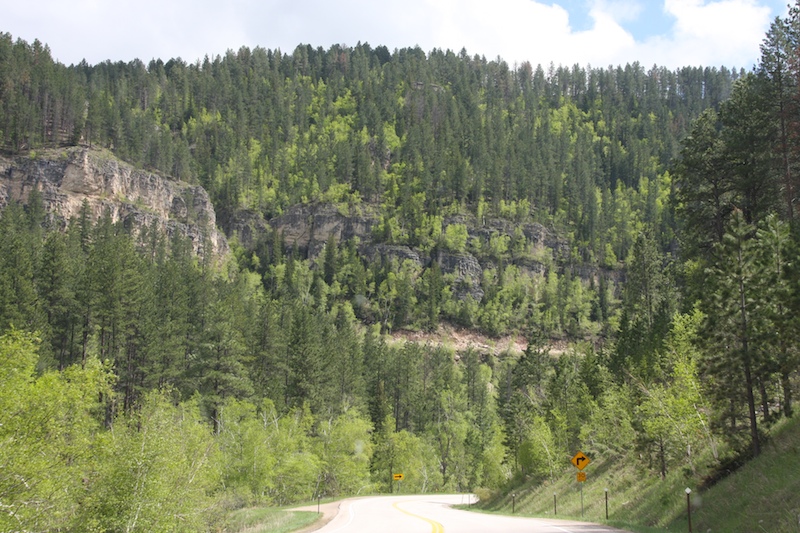 After laundry and lunch, we took a little scenic drive through some of the nearby black hills.
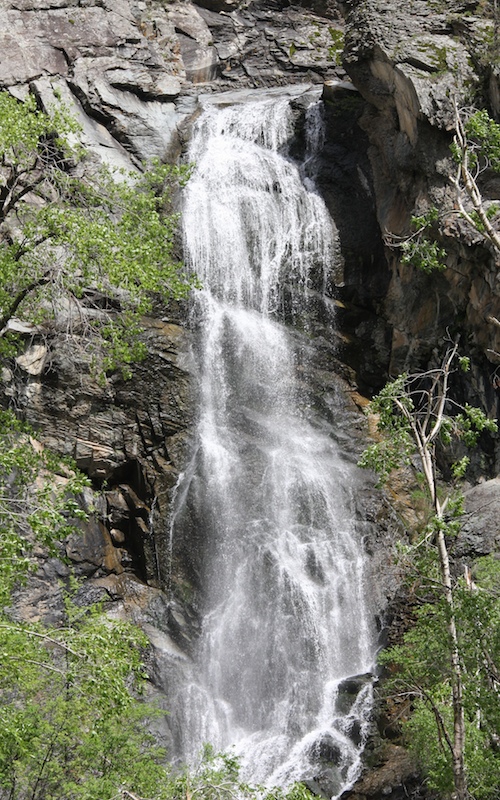
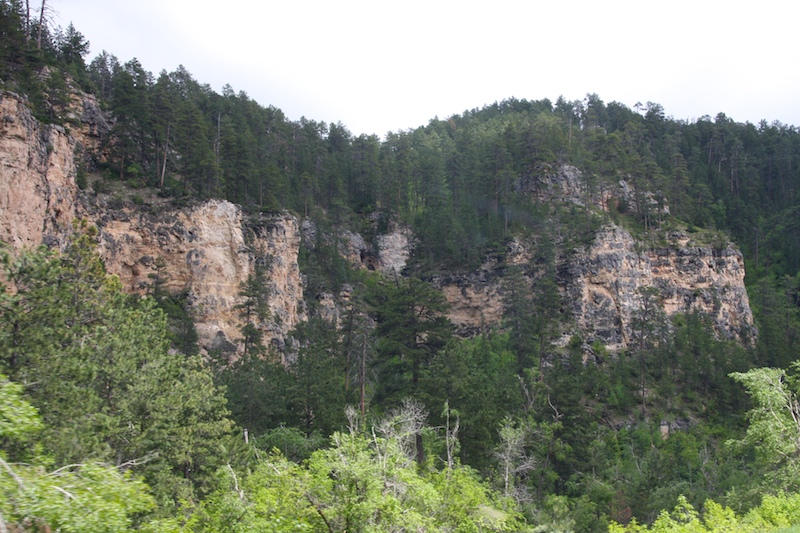 We didn't find any black gold though.
Then later that evening, we went to see South Dakota's famous monuments.
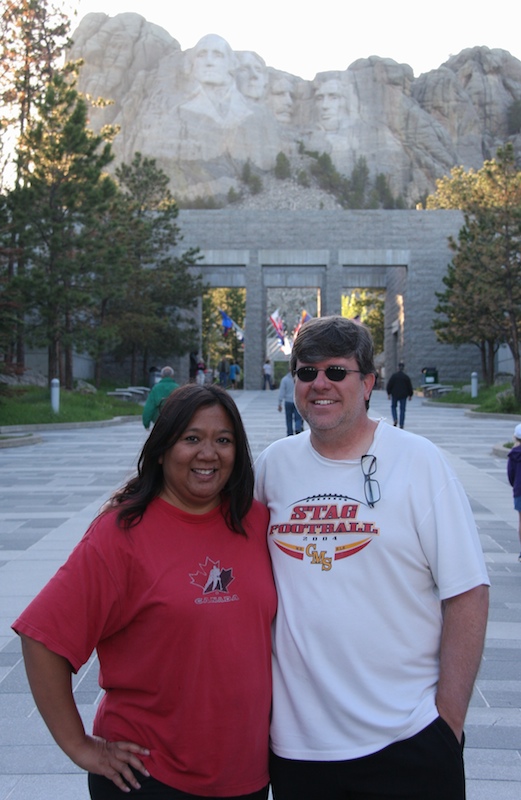
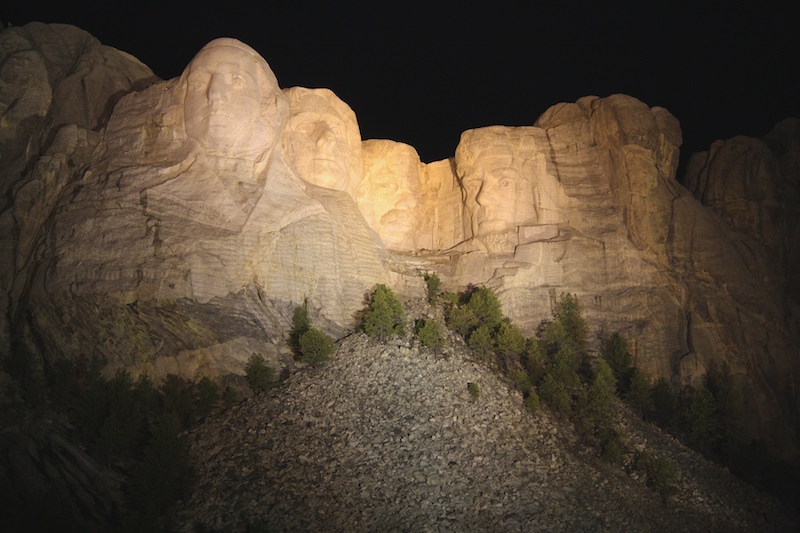
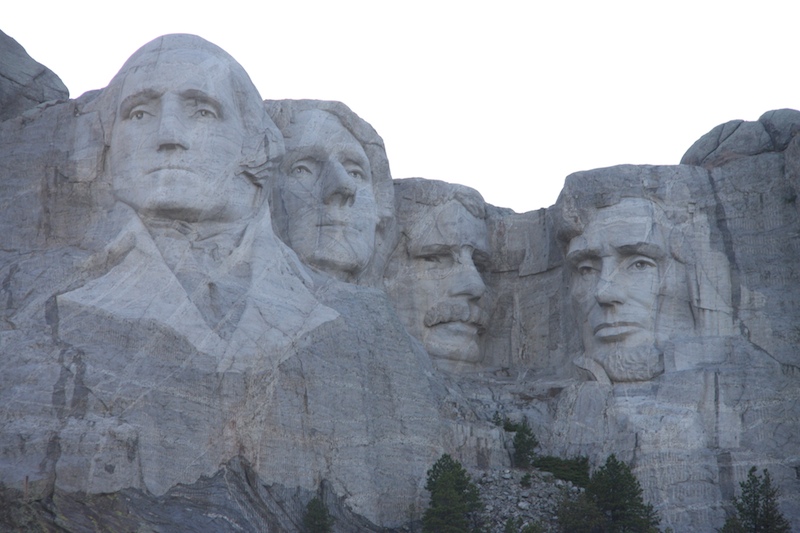 Mount Rushmore
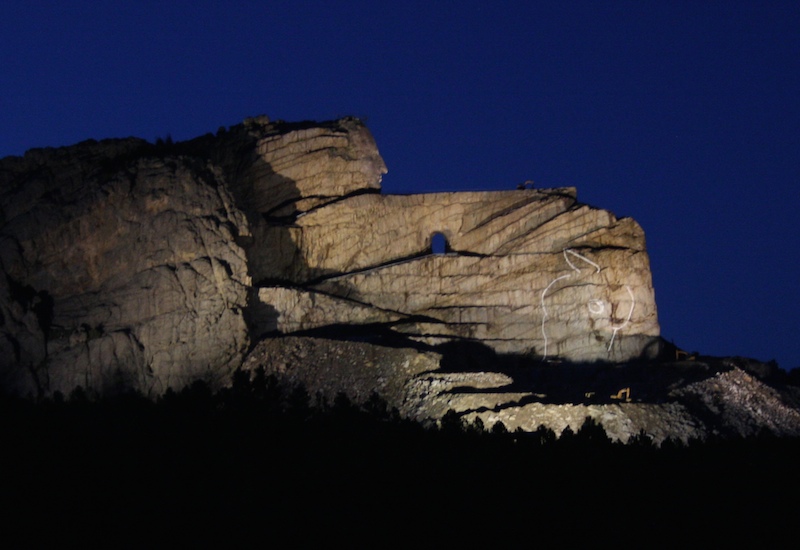
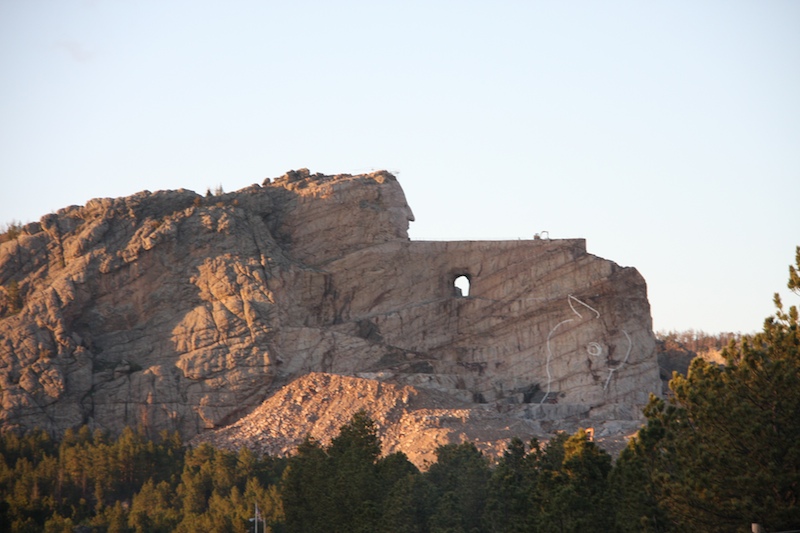 and Crazy Horse
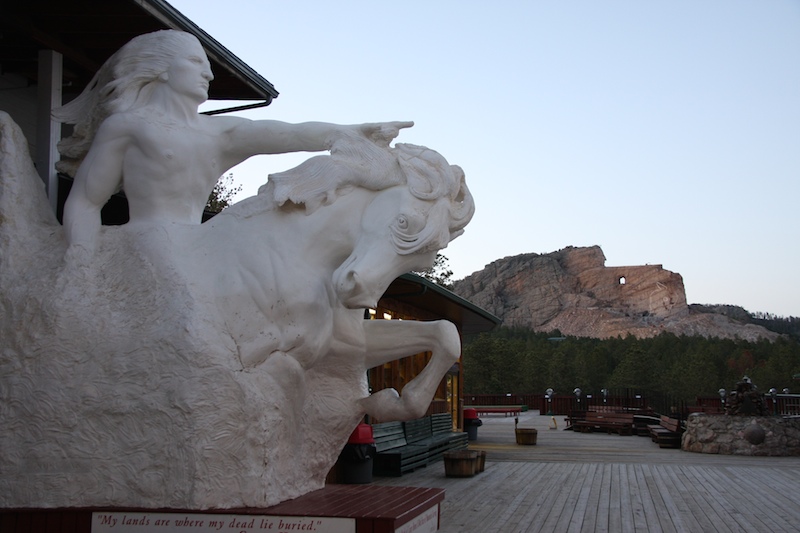 This is what Crazy Horse will look like when it's done. It stated in the 1940s. The artist died in the 1982 but the family continues his legacy. They'll still be working on it after we're both dead and buried.
We were there late enough to see both of them at night.
Today was mostly a leisurely day. We didn't have to wake up early, but road trips means laundry so we spent a couple hours doing that chore.
After laundry and lunch, we took a little scenic drive through some of the nearby black hills.We didn't find any black gold though.Then later that evening, we went to see South Dakota's famous monuments.
Mount Rushmoreand Crazy HorseThis is what Crazy Horse will look like when it's done. It stated in the 1940s. The artist died in the 1982 but the family continues his legacy. They'll still be working on it after we're both dead and buried.We were there late enough to see both of them at night.
Subscribe to:
Posts (Atom)